 how-to
Natural Mosquito Repellent for Your Backyard Patio
Table of Contents
- How to Keep Mosquitoes Away From Your Patio: A Layered Plan
- Natural Outdoor Mosquito Spray: What Works and What Fades
- Mosquito-Repellent Plants for Patio Pots and Beds
- Standing Water Mosquito Prevention Around the Deck
- Candles, Coils, and Lanterns: What the Evidence Says
- Granules, Misting Systems, and Other Application Formats Compared
- Safety for People, Pets, Plants, and Pollinators
- Conclusion
- Frequently Asked Questions
Last Updated: October 20, 2026
How to Keep Mosquitoes Away From Your Patio: A Layered Plan
A natural mosquito repellent for backyard patio use works best as a system, not a single product. No candle, spray, or plant will clear a patio on its own.
Layer 1: Remove the Water They Need
Standing water mosquito prevention is the cheapest and most effective step you can take. Mosquitoes need only a small amount of water to lay eggs, and anything that holds water for a week becomes a nursery. Walk your yard after every rain and dump:
- Plant saucers, birdbaths, and pet bowls
- Clogged gutters and downspout extensions
- Tarps, wheelbarrows, and kids' toys
A common mistake is treating water once and forgetting it. Refill birdbaths weekly and scrub the sides, since eggs stick to the container walls.
Layer 2: Block the Breeze and Add Barriers
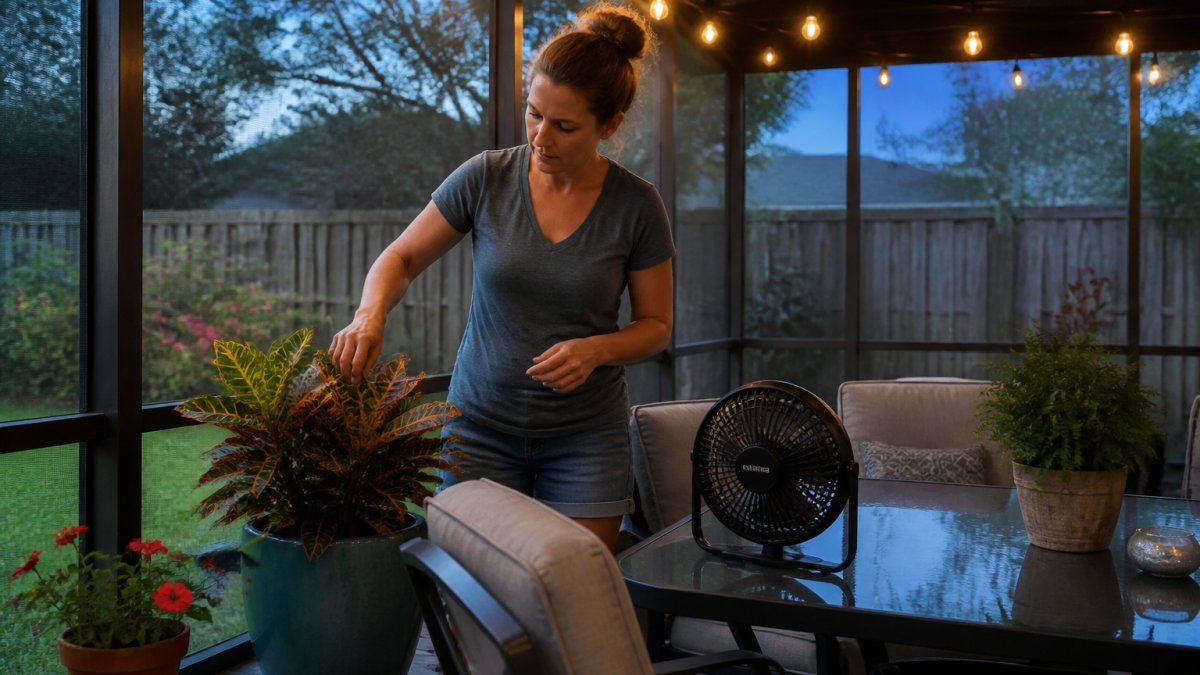
Mosquitoes are weak flyers. A box fan aimed across your seating area disrupts their approach, and it costs almost nothing to run. Pair airflow with physical barriers: repair torn screens, seal gaps under doors, and keep grass and shrubs trimmed back from the patio edge where adults rest during the day.
Layer 3: Treat the Air and the Surfaces
Only after water and airflow are handled does it make sense to treat the space itself. This is where sprays, plants, candles, and misting systems enter the picture. The rest of this guide compares those options honestly, including how long each one lasts and where it fails.
Natural Outdoor Mosquito Spray: What Works and What Fades
A natural outdoor mosquito spray delivers short-term relief, measured in hours rather than weeks. The EPA registers certain plant-based active ingredients for repellent use, including oil of lemon eucalyptus, and those registered products carry verified effectiveness claims. Unregistered homemade mixes do not.
Essential Oils and Plant-Based Ingredients
Citronella oil, lemongrass, peppermint, rosemary, lavender, and tea tree appear in countless recipes. In practice, these oils deter mosquitoes for a short window, and they evaporate faster in heat and sun. Lemon eucalyptus is the standout plant-based option because it has an EPA-registered form with tested duration. The others are best treated as mild, temporary helpers.
Homemade Spray Recipes and Ready-to-Use Options
A basic spray recipe mixes a few drops of essential oil with water and a splash of carrier like witch hazel in a spray bottle. Shake before each use, test on a small patch of fabric, and reapply often. Ready-to-use natural sprays cost more per ounce but remove the guesswork and come with labeled safety directions. For most households, ready-to-use wins on consistency.
| Option | Typical Duration | Effort | Best For |
|---|---|---|---|
| Homemade oil spray | Under an hour | High, reapply often | Quick personal touch-ups |
| Ready-to-use natural spray | Label-dependent, short | Low | Guests and seating areas |
| Lemon eucalyptus (registered) | Longer than most plant oils | Low | Personal repellent |
| Granules and barrier treatments | Weeks | Medium | Yard-wide reduction |
Mosquito-Repellent Plants for Patio Pots and Beds
Mosquito-repellent plants are the most misunderstood item on this list. The oils in rosemary, lemongrass, basil, lavender, and mint can deter mosquitoes, but only when those oils are in the air. An untouched pot of rosemary releases almost nothing. The plant becomes useful when leaves are crushed, brushed, or bruised, which is why placement and traffic matter more than which species you buy.
How the Mechanism Actually Works
The repellent compounds in these plants are volatile oils stored in leaf glands. They escape when the leaf surface is damaged, by wind, by brushing against the plant, or by you pinching a leaf. That is why a walkway lined with rosemary or a pot beside a swinging gate can outperform a larger, untouched plant in a corner. It also explains why the effect is short-lived: once the crushed oil volatilizes, the plant stops contributing until it is disturbed again.
Best Container Choices and Where to Put Them
- Lemongrass. Tall, grassy, and vigorous in full sun. Place it at the edge of the patio where people pass and where breezes can carry the scent across seating.
- Citronella geranium (scented geranium). A container-friendly plant with a strong citrus-leaf scent. Pinch leaves before guests arrive.
- Basil. Fast-growing and useful near the grill or dining table; bruise a few leaves when you set the table.
A Patio Layout That Uses Plants Well
Think of plants as a soft edge, not a wall. Group containers along the upwind side of the seating area and along walkways where people brush past. Keep pots off the deck surface where drip trays collect water, that is a breeding site, not a repellent. On an open, windy patio, plants contribute little because the oils disperse; on a sheltered patio or screened porch, the scent lingers longer and the effect is more noticeable.
The Honest Limits
No container planting scheme will clear a mosquito-heavy yard. Plants are a supplement to water removal, airflow, and targeted treatment, not a replacement. If you want the scent benefit without the gardening, a crushed-leaf rub on exposed skin works the same way and lasts about as long as the oils stay on your skin.
Standing Water Mosquito Prevention Around the Deck
The area under and around a deck hides the water sources people miss most. Check beneath stairs, inside stored containers, and in the drip trays of potted plants.
The Environmental Protection Agency's advice on mosquito control echoes the same priority: eliminate standing water first, then manage adults. A quarterly walk-around takes minutes and prevents the next generation from ever hatching.
Candles, Coils, and Lanterns: What the Evidence Says
Citronella candles, incense coils, and lantern-style devices are the most familiar patio repellents, and they are also the most overpromised. The honest framing: they create a localized scent zone that can reduce landings within a few feet of the source, and that zone collapses the moment wind pushes the plume away from seating. Treat them as ambience-plus, not perimeter defense.
What Each Format Actually Does
- Citronella candles and oil lamps. The active oils volatilize as the wax or fuel burns. Output is highest in the first hour and tapers as the candle burns down. A single 4- to 6-ounce candle is a tabletop item; expect it to matter within arm's reach of diners, not across a 20-foot patio.
- Incense coils. Coils produce more smoke per minute than candles, which is why they can feel more effective in still air, and why they irritate some guests, pets, and anyone with respiratory sensitivity. Burn them downwind of seating, never in enclosed or screened rooms, and keep them off surfaces where ash can fall on food.
- Lantern-style devices. These range from passive citronella-fueled lanterns to battery-powered units that release repellent on a schedule. Read the label for the active ingredient and the stated coverage area; a lantern rated for a small table is not a substitute for a patio-wide plan.
Placement Rules That Decide Whether They Work
- Put the source upwind of where people sit. Scent has to drift across the seating area to do anything. A candle downwind of the table is decoration.
- Cluster, don't scatter. Two or three sources grouped around the seating zone beat six spread around the yard.
- Match the device to the space. A screened porch traps scent and smoke; an open deck loses it. On an open, breezy patio, expect to combine candles with a fan strategy rather than rely on scent alone.
- Time it to the meal. Light candles 15 to 20 minutes before guests sit so the plume establishes, and expect the effect to fade as the candle burns down.
Where They Fall Short
Candles and coils do not reduce the mosquito population; they only interfere with the ones already near you. They also add fire risk on wooden decks, produce smoke that some guests dislike, and require constant restocking. If your patio sits next to standing water or dense shade, scent devices will be overwhelmed no matter how many you light. That is the case for pairing them with water removal and airflow rather than buying a bigger candle.
Granules, Misting Systems, and Other Application Formats Compared
Application format decides how long protection lasts. Granules and barrier sprays treat surfaces and vegetation for weeks. Misting systems release product on a timer, giving consistent coverage across a defined zone. Fogging knocks down adults quickly but fades, which is why repeat treatments matter.
For a single evening, a spray and a fan are enough. For season-long protection of a larger patio, an installed misting system makes more sense, and that is the core of what we install as a Certified Coastal Mister Dealer, including 100% natural product options.
Safety for People, Pets, Plants, and Pollinators
Any repellent, natural or not, needs careful handling around pets, pollinators, and edible plants. Apply products in the evening when bees and butterflies are less active, keep pets off treated surfaces until dry, and follow every label instruction exactly.
If you keep a pollinator garden, ask any provider how their products affect beneficial insects before you book. Our team is licensed by the Florida Department of Agriculture and Consumer Services and builds treatments around eco-friendly products, but the label and the timing still govern safe use.
Conclusion
Keeping a patio usable takes a layered plan, not a single purchase, and the honest truth is that most DIY methods fade within hours. If you want season-long relief without re-treating every weekend, Floridian Mosquito Control installs and services automatic misting systems with natural product options, backed by licensed technicians and a family-owned local team. Call or text 813-433-3464 to get a plan built for your yard.
Frequently Asked Questions
What is the most effective natural mosquito repellent for a patio?
No single natural product clears a patio on its own. The most effective approach combines source reduction (emptying standing water), airflow from a fan, and a natural outdoor mosquito spray applied to surfaces and foliage before you sit down. Oil of lemon eucalyptus and citronella-based sprays give short-term relief, while removing breeding sites cuts the population over weeks. For persistent problems, professional natural-product misting systems offer longer coverage.
How can I keep mosquitoes away from my backyard patio naturally?
Start with the water. Dump saucers, buckets, and clogged gutters weekly. Add a box fan or ceiling fan because mosquitoes are weak fliers. Plant mosquito-repellent herbs like lemongrass, rosemary, and basil in containers near seating, though their effect is limited to close range. Finish with a natural spray on the deck perimeter and furniture. This layered plan for how to keep mosquitoes away from patio spaces works better than any single item.
Do citronella candles keep mosquitoes away outdoors?
Citronella candles provide modest, short-range relief, mainly in still air and within a few feet of the flame. Wind and open patio layouts dilute the smoke quickly. Treat them as a small supplement to a broader plan, not a standalone fix. If you rely on candles, place several close to seating and pair them with a fan and surface spray for better results.
Are natural mosquito repellents safe to use around pets?
Many plant-based ingredients are gentler than synthetic options, but essential oils can still irritate pets, especially cats and small dogs. Keep pets away while sprays dry, avoid oils like tea tree near animals, and confirm the label lists pet-safe use. For households with pets, professional natural-product treatments applied by licensed technicians are available.
The challenge with natural mosquito control is that it works best as a system, and most homeowners do not have the time to maintain one. Floridian Mosquito Control handles that for you with professional installation, ongoing service and repair, and 100% natural product options that are gentle on pets and pollinators. Get started with Floridian Mosquito Control and take back your backyard patio this season.