 How-to
How to Keep Mosquitoes Away From an Outdoor Wedding
Last Updated: November 7, 2026
Quick Summary
Effective mosquito control for an outdoor wedding starts about six weeks before the event with a yard walk that finds standing water and shaded areas, followed by draining those sources and booking a professional treatment. Layer that with a self-serve repellent station, fans, and fragrance-free options so guests stay protected on the day.
- Walk the yard at the time of day your event will run to find breeding sites.
- Empty buckets, plant saucers, gutters and covers that collect standing water.
- Schedule a professional yard treatment a few days before the wedding.
- Place EPA-registered repellent near the entrance with a fragrance-free option.
- Use fans and keep citronella and incense away from tight seating clusters.
Table of Contents
- Why Backyard Mosquitoes Are a Bigger Problem for Weddings Than You Think
- Build a Wedding Mosquito Timeline Starting Six Weeks Out
- Step 1: Eliminate Standing Water and Mosquito Breeding Sites
- Step 2: Schedule a Mosquito Yard Treatment Before the Event
- Step 3: Decide Whether a Backyard Mosquito Misting System Makes Sense
- Step 4: Protect Guests Without Spraying Near Them
- Your Day-of Plan and Next Step With Your Venue and Vendors
- Frequently Asked Questions
Mosquitoes are more than an annoyance at an outdoor wedding. They can turn a perfect evening into a swatting session, and in Florida's warm, wet months they are a real presence in most backyards. Floridian Mosquito Control, a locally owned family business serving the Tampa Bay area, knows how quickly a yard can go from pleasant to unbearable. This guide walks you through a practical plan for backyard mosquito control for outdoor weddings, starting weeks before the big day.
Why Backyard Mosquitoes Are a Bigger Problem for Weddings Than You Think
A wedding puts a lot of people in one place for several hours, and most of them are standing still in damp grass, taking photos, and sitting outside after sunset. That is exactly when mosquitoes are most active. Guests who would never think twice about a mosquito on a normal day suddenly feel every bite.
Mosquitoes also carry diseases. The Centers for Disease Control and Prevention (CDC) explains that mosquito-borne illnesses such as dengue and Zika are a concern in parts of the United States, including Florida (the CDC). Keeping the population down is about more than comfort.
The good news is that most mosquito problems come from a few predictable sources. Once you know where they breed and rest, you can plan around them.
Build a Wedding Mosquito Timeline Starting Six Weeks Out
Most couples start thinking about bugs the week of the event, which is too late to fix breeding sites or lock in a professional visit. A six-week runway gives you time to correct problems, coordinate with the venue, and build in a weather buffer.
Six to eight weeks out: inspect and document. Walk the entire yard at the time of day your event will run, not at noon. Note standing water, low spots that stay damp, shaded shrub borders, clogged gutters, and any water features. Photograph each problem area and share the list with your venue contact and any vendor who will set up tents, lighting, or a dance floor. Ask the venue what mosquito control they already perform and whether their schedule conflicts with yours.
Four to six weeks out: correct sources and book treatment. Drain or refresh containers, clear leaf litter and plant debris, trim shrubs back from seating areas, and fix drainage in low spots. Book the professional treatment now, because good providers fill up on weekends in peak season. Confirm whether the quote includes a follow-up visit and what the rain policy is.
Two to three weeks out: confirm and layer. Reconfirm the treatment date and ask the provider how many days before the event they recommend applying it. Ask the venue whether they will mow and irrigate on a normal schedule or adjust for the event, since overwatering in the final week recreates breeding sites. Order or assemble guest repellent supplies now so you are not scrambling the day before.
One week out: weather check and setup plan. Pull the forecast and note rain chances, humidity, and the sunset time. Mosquito activity typically rises in the hours around dusk, so if your ceremony or reception runs into that window, plan extra fans, lighting placement, and repellent stations. Do a fresh walk for standing water after any rain and empty anything that refilled.
Day before: final sweep. Empty and dry any containers, refresh citronella and repellent stations, confirm fan placement, and give the caterer and photographer the list of treated areas. Keep a small kit of repellent, wipes, and a hand pump for standing water so a last-minute puddle does not become a last-minute problem.
Day of: execute and adapt. Do a quick morning walk, restock repellent stations, and check that fans and candles are positioned at the edges of seating rather than in the middle. If rain fell overnight, empty any new standing water before guests arrive.
Watch out: a treatment applied too early can lose effectiveness before the event, and one applied too close to setup can conflict with vendor load-in, so confirm both the provider's timing guidance and the venue's access rules before you book.
The timeline below summarises when each task should happen before the event.
| Timing | Task | Goal |
|---|---|---|
| Six to eight weeks out | Inspect and document the yard | Find standing water and shaded areas |
| Four to six weeks out | Correct sources and book treatment | Drain containers and reserve a provider |
| Two to three weeks out | Confirm treatment and layer protection | Check timing and order repellent supplies |
| One week out | Check weather and plan setup | Note rain, humidity and sunset time |
| Day before | Final sweep | Empty containers and refresh repellent stations |
| Day of | Morning walk and adapt | Restock stations and empty new puddles |
Step 1: Eliminate Standing Water and Mosquito Breeding Sites
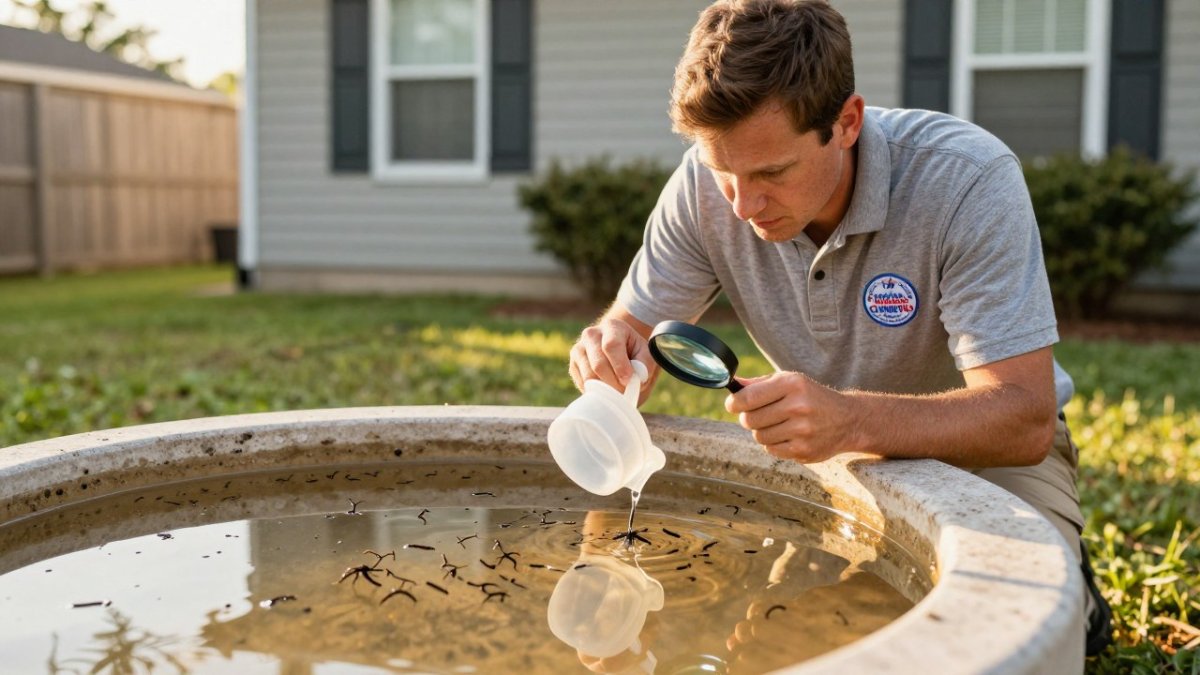
Mosquitoes need water to lay eggs, and the eggs can hatch in as little as a few days (the CDC). Removing standing water is the single most useful thing you can do yourself.
Look for these common sources:
- Flower pots, saucers, and plant trays
- Buckets, kiddie pools, and old tires
- Clogged gutters and downspouts
- Bird baths and pet water bowls
- Tarps or covers that collect rain
Empty and dry each one, or refill it with fresh water on a regular schedule. For water features that cannot be drained, such as ponds or fountains, ask your mosquito control provider about treatments that target larvae without harming fish or pollinators.
Watch out: Mosquitoes often breed in spots you forget about, such as the inside of a ribbed cover or a low corner of the fence line. Walk the whole yard, not just the areas where guests will sit.
Step 2: Schedule a Mosquito Yard Treatment Before the Event
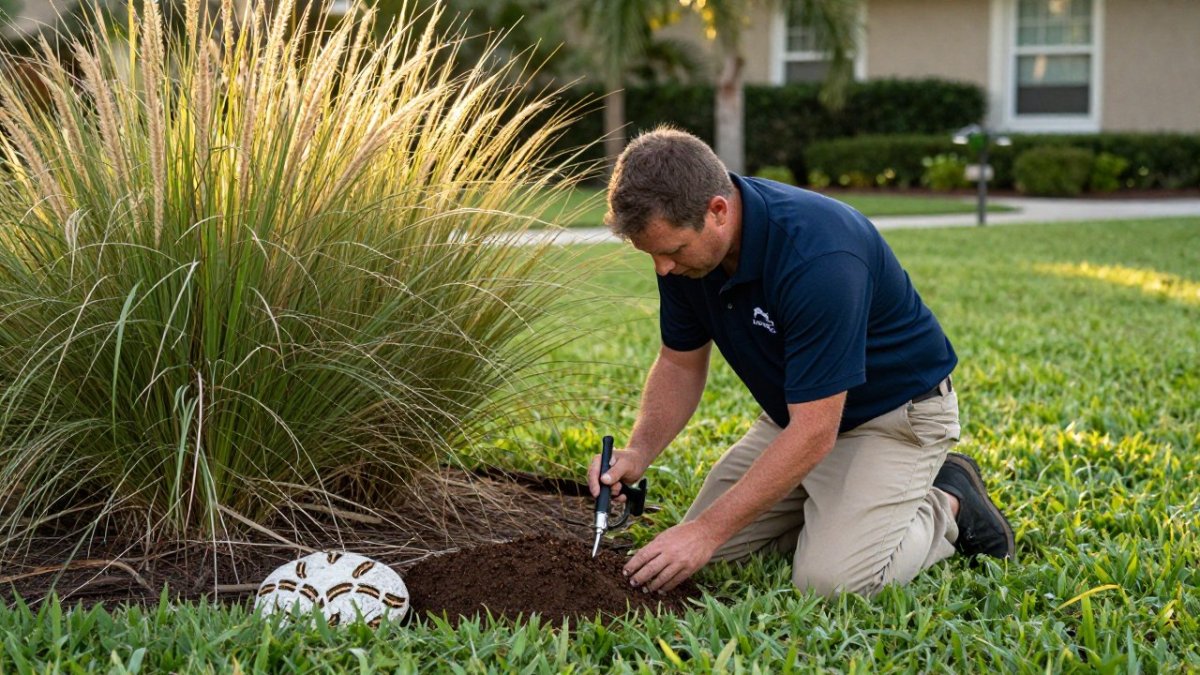
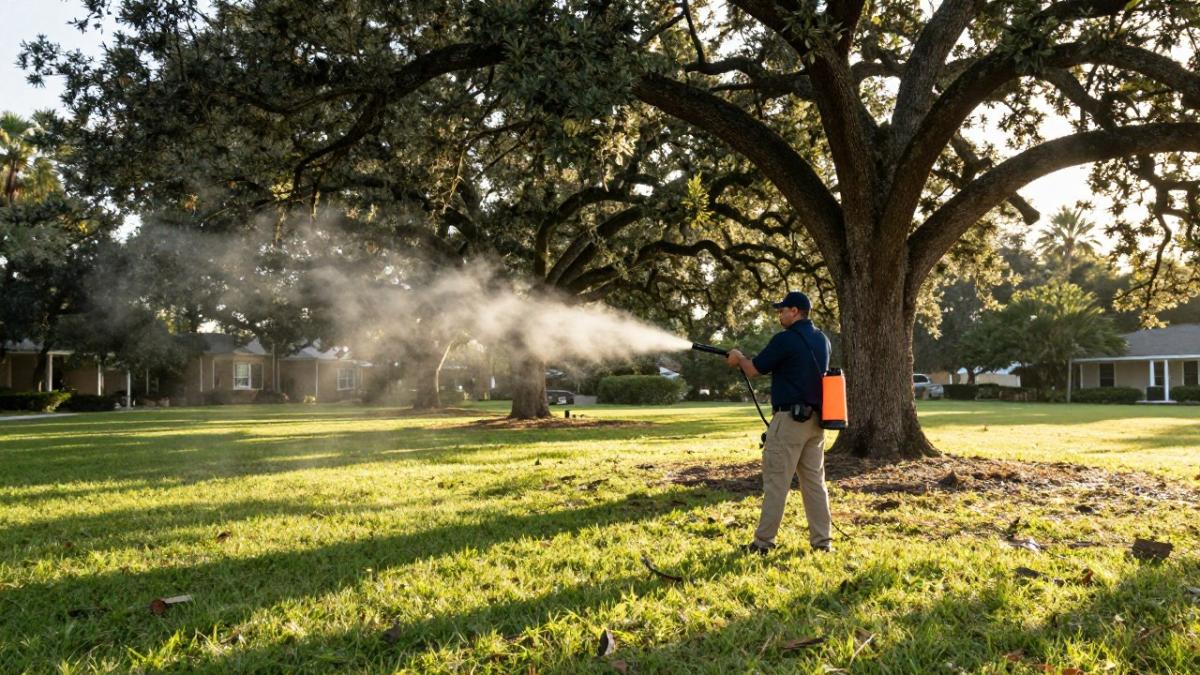
Yard cleanup handles breeding sites, but adult mosquitoes can rest in shrubs, tall grass, and shady areas. A professional yard treatment reduces the adult population so your guests are not fighting a swarm.
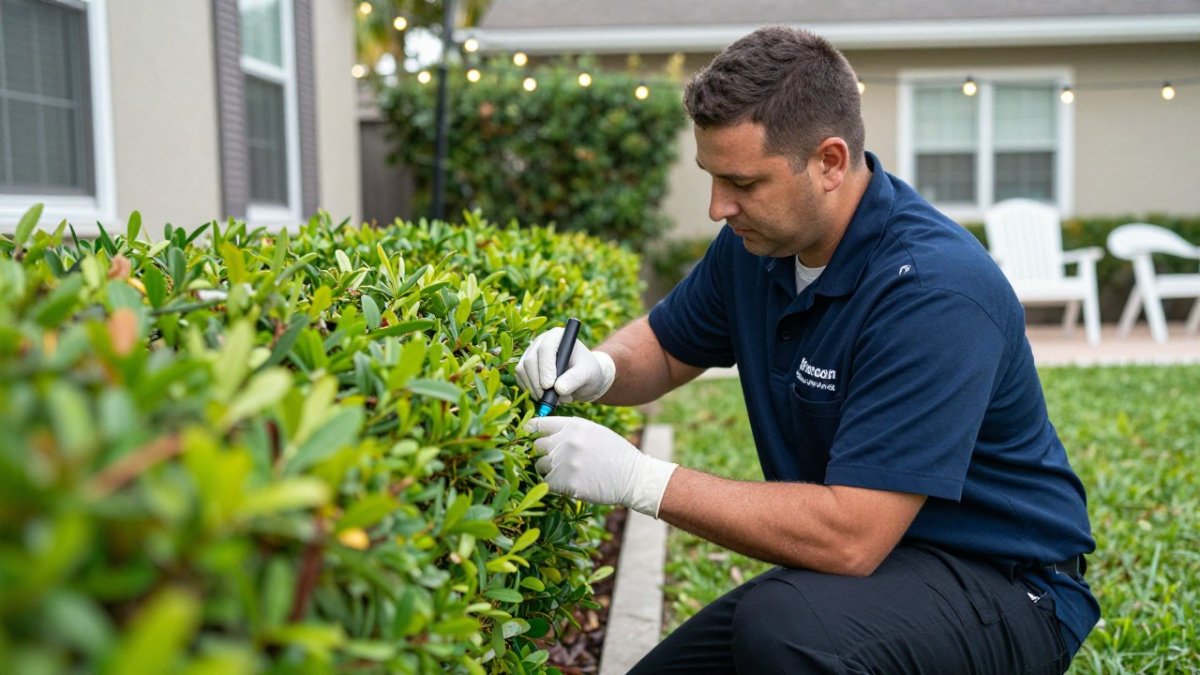
Professional providers typically use licensed technicians who treat the lawn, the shrubs, and the tree line where mosquitoes hide. Ask your provider about:
- The timing of the treatment relative to your wedding date
- Whether a follow-up visit is included
- Which products they use and whether they offer natural options
- Re-treatment if heavy rain falls after the service
Schedule the treatment for a few days before the event, so the yard is fresh on the day of the wedding. Ask your provider how long a treatment is expected to last, so a visit timed to the week of the event gives you the best coverage.
Step 3: Decide Whether a Backyard Mosquito Misting System Makes Sense
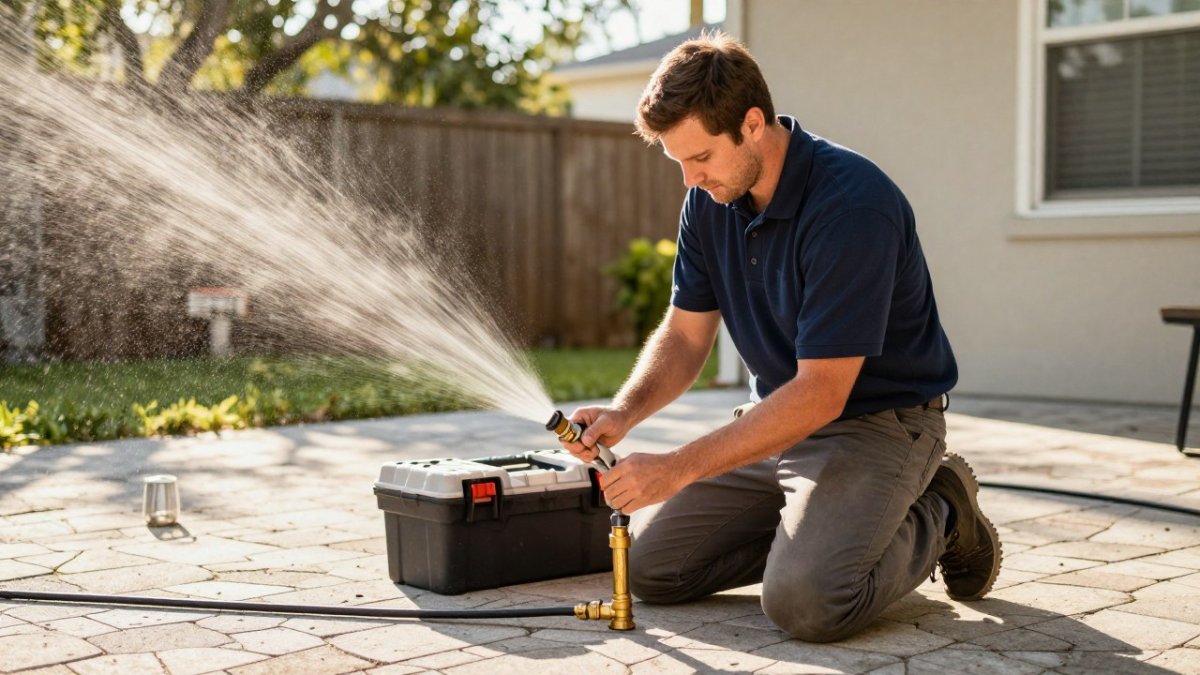
A misting system releases small amounts of insect repellent through nozzles around the yard on a set schedule. It can provide ongoing protection, which is useful for a backyard you plan to use often.
For a one-time wedding, a misting system is not always the best value. It makes the most sense when:
- You host outdoor events or enjoy your yard most of the year
- Your yard has a lot of shade, shrubs, or standing moisture
- You want protection that runs automatically between treatments
For a small yard used only once, professional fogging or a targeted treatment may be enough. Floridian Mosquito Control, a Certified Coastal Mister Dealer, installs, services, and repairs misting systems, and can help you judge whether one fits your property size. Pricing depends on quantity, dates, and delivery, so request a quote for current figures.
Step 4: Protect Guests Without Spraying Near Them
Even a well-treated yard will not be mosquito-free, so the goal is layered protection that guests can opt into and that does not create new problems for people with sensitivities, children, or mobility needs. Build the plan around choice and clear labeling rather than a single product.
Set up a self-serve repellent station. Place EPA-registered insect repellent near the entrance and bathrooms, with a fragrance-free option and visible labels so guests can read the active ingredient and directions. Include wipes or a towel so guests can remove product before eating. Keep the station out of direct sun and away from food service areas.
Plan for guests who cannot easily apply repellent. Children, pregnant guests, and people with skin conditions or allergies may need help or may prefer physical barriers. Offer lightweight long sleeves or wraps, place a few fans near seating, and consider mosquito netting over the ceremony area if the venue allows it.
Use area repellents as a supplement, not a substitute. Citronella candles and incense belong at the edges of the seating area, not in the middle where smoke can irritate eyes and airways. Electronic area devices can help cover a larger space, but they work best alongside treatment and airflow. Fans are one of the most reliable low-tech tools because moving air makes it harder for mosquitoes to land.
Keep food, drinks, and flowers clear of spray zones. Do not spray repellent near the cake table, buffet, or floral arrangements. Cover food when it is not being served, and ask the caterer to keep service areas upwind of any candle or device placement.
Build a day-of contingency kit. Pack extra repellent, wipes, a hand pump or towel for standing water, and a few extension cords for fans. If mosquitoes are still heavy at dusk, have a backup: shift seating under a tent or indoors if the venue permits, reposition fans to increase airflow across guest areas, and restock repellent stations before the reception peaks.
Watch out: some guests have allergies or sensitivities to fragrance and smoke, so offer a fragrance-free repellent and keep citronella and incense away from tight seating clusters and anyone with respiratory concerns.
Your Day-of Plan and Next Step With Your Venue and Vendors
On the day of the wedding, do one last sweep for standing water, check that candles and fans are in place, and make sure the repellent station is stocked. Give your caterer and photographer the list of treated areas so they know where it is safe to set up.
Coordinate with your venue early. Ask whether they already offer mosquito control, what they recommend, and who is responsible for each task. A shared timeline keeps the budget and the work clear for everyone.
Ready to protect your guests? Call or text Floridian Mosquito Control at 813-433-3464 to ask about a yard treatment or a misting system for your event. The team will review your property and give you a clear quote and timeline.
Frequently Asked Questions
What can I put in my backyard to keep mosquitoes away?
Start by removing standing water, since a bottle cap of water can produce mosquitoes. Trim overgrown shrubs and clear leaf litter where adults rest during the day. Fans help because mosquitoes are weak fliers and struggle in moving air, so a few oscillating fans near seating areas can make a real difference. Pairing these steps with a professional yard treatment gives the most consistent results for an outdoor event.
How far in advance should I treat my yard for mosquitoes before a wedding?
Schedule a professional treatment within a few days of the event so the control is fresh on the day. Treat around the event date rather than months early, and confirm the timing with your provider based on the forecast and the product used.
Do mosquito repellent devices work for outdoor weddings?
Area repellent devices and repellent stations can help guests in a small, sheltered space, but they cover a limited radius and work best when combined with source reduction and yard treatment. Personal repellents are a common option for individual guests. Citronella candles and incense are generally less effective than most people expect, so treat them as supplements rather than the main defense.
What should I do about standing water before an outdoor wedding?
Walk the property and empty anything that holds water, including planters, pet bowls, tarps, and kids' toys. Change water in birdbaths weekly and cover rain barrels with fine mesh. For water features that cannot be drained, ask a mosquito control provider about options suited to your setup.