 how-to
Mosquito Control Services: A Complete Guide
Table of Contents
- Why Professional Mosquito Control Services Matter
- How Mosquito Control Services Work in Your Area
- Mosquito Treatment Frequency and Schedule
- Understanding Mosquito Control Cost and Pricing
- Automatic Mosquito Misting Systems: Installation and Benefits
- Mosquito Treatment Safety for Pets and Your Family
- How to Request Service and Prepare for Treatment
- Frequently Asked Questions
Last Updated: October 21, 2026
Why Professional Mosquito Control Services Matter
Mosquitoes carry dengue, Zika, and West Nile virus, real threats in our region, spread by mosquitoes breeding in standing water around your home (the CDC).
At Floridian Mosquito Control, we know homeowners want to protect their families without compromising the environment. Professional mosquito control services eliminate the guesswork: licensed technicians know where mosquitoes breed, how they behave seasonally, and which treatments stop them at each life stage.
DIY approaches only address adult mosquitoes, so populations return within days without targeting breeding sites and egg hatching. That's why professional mosquito control services focus on both adult mosquito control and larval prevention, treating the cause, not just the symptom.
How Mosquito Control Services Work in Your Area
Mosquito control services combine treatment methods with ongoing monitoring, reducing populations before they become a problem rather than reacting once mosquitoes swarm.
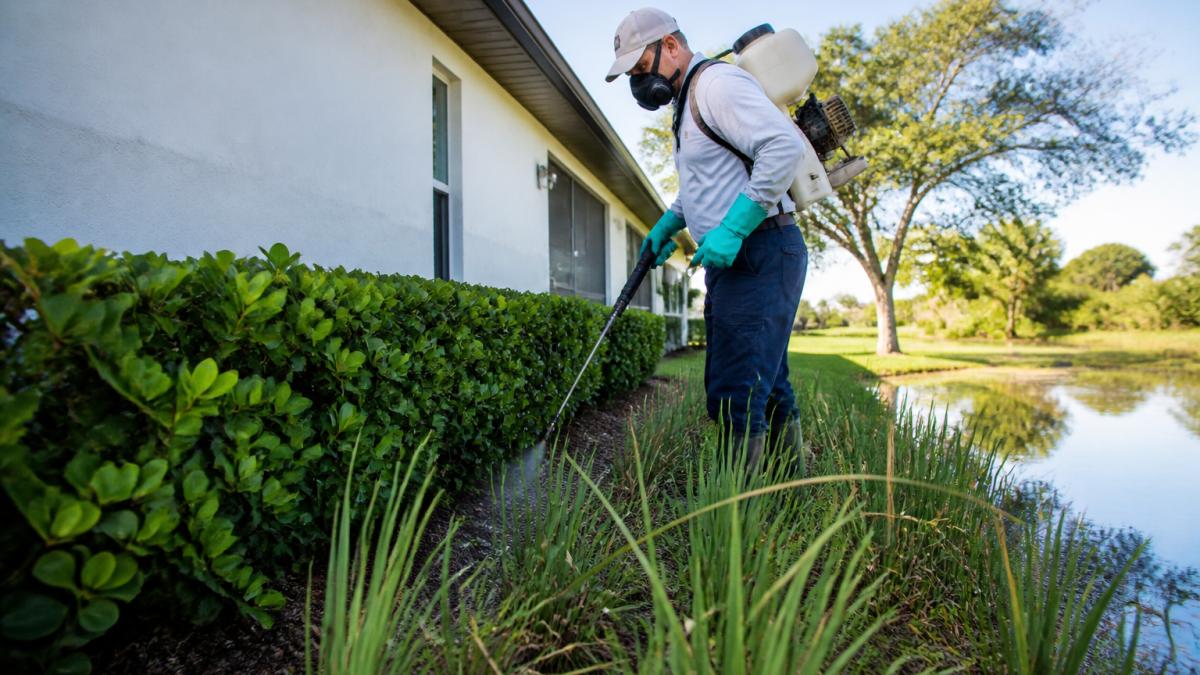
Most services begin with a property inspection: technicians identify standing water, assess vegetation where mosquitoes rest, and evaluate your yard's layout. Some yards need regular spray operations; others benefit from automatic misting systems.
What Happens During a Service Visit
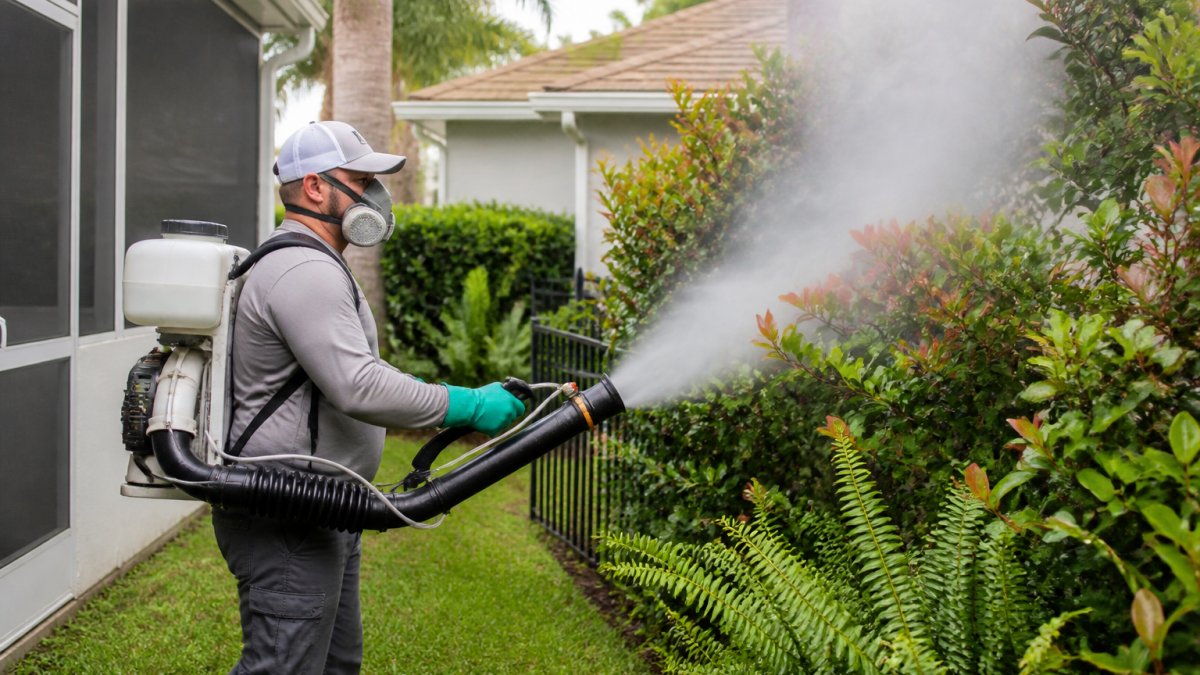
During a mosquito control service visit, the technician assesses current conditions and applies treatment. For spray operations, adulticide goes on vegetation and landscaping where adult mosquitoes rest during the day, timed to maximize effectiveness while minimizing impact on beneficial insects.
Before treatment, bring in pets and cover sensitive plants. Service typically takes 30 to 45 minutes for a standard residential property, and most technicians recommend staying indoors briefly afterward to let the product settle.
Routine Inspection and Monitoring
Surveillance doesn't stop after one treatment. Routine inspection and monitoring track mosquito activity and adjust your schedule; technicians look for new breeding sites, check drainage areas, and assess whether previous treatments still work.
Populations fluctuate with weather and seasons, what works in summer may need adjustment in spring when water accumulates. Regular inspections catch these shifts early, preventing infestations before they start.
Mosquito Treatment Frequency and Schedule
Treatment frequency depends on local mosquito activity, recent rainfall, and your property's characteristics, some properties need monthly service during peak season, others do well every six to eight weeks.
Properties with significant standing water or dense vegetation need more frequent service, while well-drained yards need less. Your provider should adjust your schedule based on actual mosquito activity, not a standard calendar.
A Month-by-Month Guide to Mosquito Activity
Mosquito populations in Pinellas County follow a predictable seasonal pattern driven by temperature and rainfall. Use this guide to anticipate when your property is most vulnerable and when to adjust your service schedule.
- January-February: Cooler, drier weather suppresses mosquito activity. Many species overwinter as eggs or dormant adults. This is a good time for a thorough inspection to identify and eliminate standing water sources before the spring hatch. Treatments can often be spaced further apart.
- March-April: Warming temperatures and spring rains trigger egg hatching. Container-breeding species like Aedes aegypti and Aedes albopictus become active. Begin monthly service or increase frequency if you have standing water or dense landscaping.
- May-September: Peak mosquito season. Heavy summer rains create abundant breeding sites, and populations of Culex and Aedes species surge. Most properties need monthly or even biweekly treatments during this period. Automatic misting systems provide continuous protection when activity is highest.
- October-November: Activity begins to decline but remains significant, especially after tropical storms or heavy rain events. Continue regular service, and conduct a fall inspection to remove debris and standing water before winter.
- December: Mosquito activity drops, but don't stop monitoring. A mild winter can allow some species to remain active. Use this time to schedule a maintenance inspection and plan next year's service.
Weather-Driven Adjustments
Rainfall is the biggest driver of mosquito outbreaks. After heavy rain, especially standing water lasting more than a few days, expect an adult mosquito spike about a week to ten days later. After several inches in a short period, schedule an extra treatment or ask your provider to inspect for new breeding sites.
During dry spells, activity may drop, but birdbaths, pet bowls, and irrigation catch basins can still support breeding, your technician should check these micro-habitats regardless of season.
How Your Property's Characteristics Affect Frequency
Beyond weather, your yard's layout and features determine how often you need service:
- Standing water sources: Ponds, fountains, clogged gutters, and low-lying areas that hold water create continuous breeding habitat. Properties with these features typically need more frequent treatment.
- Vegetation density: Dense shrubs, tall grass, and ground cover provide resting sites for adult mosquitoes. More vegetation means more harborage and a greater need for adulticide applications.
- Irrigation systems: Overwatering or poorly timed irrigation can create persistent moisture and standing water. Adjusting your irrigation schedule can reduce breeding sites and lower your treatment frequency.
- Proximity to natural water bodies: Homes near wetlands, retention ponds, or tidal areas may experience higher mosquito pressure from species that breed in natural water sources. These properties often benefit from continuous protection like an automatic misting system.
Adjusting Your Schedule
Your provider should reassess your plan at each visit. If you notice mosquitoes between treatments, report it, they can adjust frequency or switch products. The goal is staying ahead of the population curve, not reacting after an infestation is established.
Many providers offer flexible scheduling, more frequent service in peak months, less in cooler periods, so you don't pay for unnecessary treatments when activity is low.
Understanding Mosquito Control Cost and Pricing
Mosquito control cost varies by property size, treatment method, frequency, conventional versus natural products, standing water, vegetation density, and service area.
Rather than guessing at pricing, contact Floridian Mosquito Control for a free estimate. We evaluate your property and provide transparent pricing based on what your situation requires, so you don't pay for unneeded services or under-invest in protection that matters.
What Drives the Cost of Mosquito Control
Understanding pricing factors helps you compare quotes. The main cost drivers:
- Property size: Larger yards require more product and time. Most providers price by the square footage of the treatment area.
- Treatment method: Routine spray service is generally an affordable option. Automatic misting systems have higher upfront installation costs but may offer long-term value if you use your outdoor space frequently. Natural products typically cost more than conventional treatments.
- Frequency: Monthly service costs more per year than quarterly service, but it provides more consistent protection during peak season.
- Property complexity: Dense landscaping, multiple outdoor living areas, and extensive standing water sources increase labor and product requirements, raising the price.
- Service area: Travel distance and local demand can affect pricing.
Typical Price Ranges
These ranges are estimates and should not replace a personalized quote. Your actual price will depend on the specific conditions of your property.
How to Compare Quotes
When evaluating mosquito control estimates, look beyond the bottom line. Ask each provider:
- What products will you use, and are they approved for residential use?
- How often will you treat, and can you adjust frequency based on seasonal activity?
- Does the price include inspections and monitoring between treatments?
- Are there additional fees for natural products or special requests?
- What is your policy for re-treatment if mosquitoes return between visits?
A transparent provider will explain exactly what you're paying for and why.
Natural vs. Conventional: The Cost Trade-Off
Natural products cost more than conventional treatments but offer peace of mind if you have a pollinator garden or want to minimize environmental impact.
Getting the Most Value
To get the best value from your investment:
- Eliminate standing water around your property before each service to reduce breeding sites and improve treatment effectiveness.
- Keep your service provider informed of changes to your landscape, such as new plantings or drainage issues.
- Consider an annual contract if you plan to use your yard throughout the year.
- Schedule a fall inspection to catch problems before the next season.
Automatic Mosquito Misting Systems: Installation and Benefits
Automatic misting systems take a different approach: instead of scheduled service visits, they deliver treatment on a timer, typically at dawn and dusk when mosquitoes are most active.
Installation runs tubing around your property's perimeter and key landscape areas, connecting to a control unit. Once activated, it sprays a fine mist at programmed intervals, adjustable to seasonal needs.
The main benefit is hands-off protection, no scheduling or yard prep, and the system works continuously. As a Certified Coastal Mister Dealer, Floridian Mosquito Control handles professional installation, service, and repair of misting systems, ensuring consistent protection.
Misting systems work best for properties where you spend significant time outdoors or host frequent gatherings. They're also valuable if you have a large yard or multiple outdoor living areas.
Mosquito Treatment Safety for Pets and Your Family
Safety concerns about mosquito treatment are legitimate, you want protection from disease-carrying insects without exposing family or pets to harmful chemicals.
Professional services use products approved for residential use at safe rates. Licensed technicians understand product safety, mixing ratios, and application methods, and know which products are safe around pets and which require temporary precautions.
If conventional treatments concern you, natural plant-based options break down quickly, are gentler on pollinators and beneficial insects, and still control adult mosquitoes effectively. Floridian Mosquito Control offers 100% natural product options for homeowners prioritizing environmental impact.
Before any service, tell your technician about young children, pets, or plants you want to protect. A good provider will adjust their approach to your concerns while still delivering effective mosquito control.
How to Request Service and Prepare for Treatment
Requesting mosquito control service is straightforward. Contact Floridian Mosquito Control at 813-433-3464 to schedule an inspection and free estimate; we'll assess your property and discuss which approach fits your situation.
After treatment, most products need a short settling period, stay indoors for the recommended time. Your technician will give specific instructions; keep pets indoors until the product dries.
For automatic misting systems, preparation is minimal, the system handles treatment once installed. Seasonal adjustments might include increasing frequency during peak months or reducing it in winter when activity declines.
Mosquitoes carrying dengue and Zika aren't a problem you should ignore. Professional mosquito control services protect your family and outdoor spaces effectively.
| Treatment Method | Best For | Frequency |
|---|---|---|
| Routine spray service | Standard mosquito control | Programmed daily/weekly |
| Automatic misting system | Continuous protection | Programmed daily/weekly |
| Natural products | Eco-conscious homeowners | Same as conventional |
Frequently Asked Questions
How often should a home receive mosquito treatments?
Most homes benefit from mosquito treatments every 2-4 weeks during peak mosquito season, typically spring through fall. The exact frequency depends on local mosquito activity, rainfall, and your property's breeding sites. Professional mosquito control services monitor activity and adjust treatment schedules to maintain effective adult mosquito control and prevent egg hatching. Your technician can recommend the best schedule for your specific situation.
Are mosquito treatments safe for pets and children?
Modern mosquito treatment options include eco-friendly and 100% natural products designed to be safe for pets and children when applied correctly. Licensed technicians follow strict application guidelines to minimize exposure. Before treatment, discuss your family's and pets' needs with your service provider. Floridian Mosquito Control offers 100% natural product options that control adult mosquitoes and prevent breeding without harsh chemicals, making them suitable for households with young children and animals.
How long does a mosquito treatment last?
Standard spray treatments typically provide 2-4 weeks of protection against adult mosquitoes, depending on weather, rainfall, and environmental conditions. Automatic misting systems offer longer-lasting control through scheduled applications. Treatments that prevent egg hatching can last several weeks. Professional mosquito control services design treatment schedules to maintain consistent protection throughout the season, and routine inspection helps identify when additional applications are needed.
What should I do before and after a mosquito treatment?
Before treatment, remove outdoor toys and pet bedding, close windows and doors, and keep family members indoors during application. After treatment, wait the recommended time before re-entering treated areas. Avoid washing away treatment from surfaces for the recommended period. Your technician will provide specific aftercare instructions. Also eliminate standing water and breeding sites on your property to support the treatment's effectiveness and reduce future mosquito activity.