 Ultimate guide
7 Safe Mosquito Control Methods for Pets and Dogs
Last Updated: November 8, 2026
Quick Summary
Safe mosquito control for pets and dogs starts with choosing products by their active ingredient and checking the label for the species it names, since a product safe for people is not automatically safe for animals. Pair those products with removing standing water and other breeding sites, which reduces mosquitoes before any spray goes on.
- Heartworm spreads through mosquito bites, so year-round prevention is recommended for dogs.
- Check the species named on the label, since a dog product is not necessarily labeled for cats.
- Coat repellents go on the animal, while yard products are sprayed on grass and surfaces.
- Natural-marketed products still need their ingredient lists checked for pet safety.
- Empty containers, birdbaths and planters every few days to remove mosquito breeding sites.
Table of Contents
Most mosquito products sold to homeowners were never designed with dogs and cats in mind. At Floridian Mosquito Control, we see the same question from Tampa Bay families every spring: how do I keep the mosquitoes off my family without putting my dog at risk? The answer starts with understanding that a product safe for people is not automatically safe for pets, which is why safe mosquito control depends on the species involved. Species, body size, grooming habits and the route of exposure all change the risk.
Pet owners in Pinellas and Hillsborough counties face a double problem. Mosquitoes carry heartworm, and the repellents used to fight them can carry their own hazards. Both matter when you plan a backyard that a dog uses every day.
Safe mosquito control for pets and dogs means choosing products by their active ingredient, reading the label for the species it names, and combining them with habitat changes that reduce mosquitoes before any spray goes on.
Mosquito Risks to Dogs and Cats
Mosquitoes are more than an itchy nuisance. The most serious threat to dogs in Florida is heartworm, a parasite that spreads through mosquito bites and settles in the heart and lungs. The American Heartworm Society guidelines recommend year-round prevention, since a single season of exposure is enough to cause infection.
Your veterinarian can advise which local risks apply to your pet and how often testing should be done.
Which Ingredients to Avoid Around Pets
Labels are the first place to look. Many insect products list an active ingredient in small print, and that ingredient decides whether the product is appropriate for a dog, a cat or both.
- Labels should be checked for the species they name, since a product labeled for dogs is not necessarily labeled for cats.
- Products intended for livestock or agriculture may not be appropriate for household pets, so check their labeling.
- Natural-marketed products still need their ingredient lists checked for pet safety.
Always check the ingredient list, not the marketing copy.
DEET and Pyrethroids: Safety Concerns by Species
The safety of any repellent around pets depends on how it is used, so follow the label directions for the species listed. Products should not be applied to a cat's face, paws or ears.
Ask your veterinarian before using any product containing these compounds in a home with cats.
Choosing a Dog Safe Mosquito Repellent for Yard Use
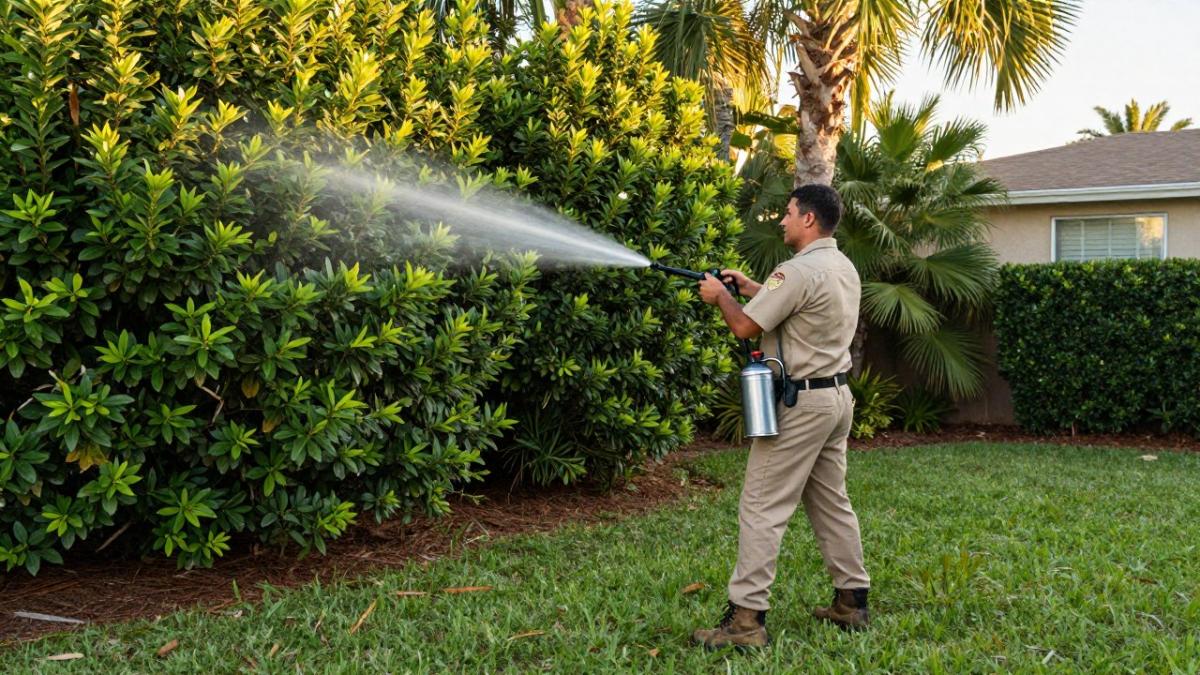
A product for your dog's coat is not the same as a yard treatment. Coat repellents are applied to the animal, while yard products are sprayed onto grass, shrubs and patio surfaces where your dog may walk, roll and dig.
When you shop, look for these points on the label:
- The species named on the label, dog, cat or both
- A clear statement of the active ingredient and its concentration
- Application directions that specify where the product can be used
- Drying time before pets return to a treated area
A yard treatment works best when it is matched to the dog's routine, since a dog that spends the day outdoors has different needs than one that mostly stays indoors. If you also want to protect pollinators, see our guide to controlling mosquitoes without harming bees.
Natural Mosquito Repellent for Backyard Patio Use: Oils, Plants and Limits
Plant-based and oil-based repellents are popular with environmentally conscious homeowners. Their effect is often short-lived, so reapplication matters.
These oils have limits. Some are irritating to cats, and a concentrated essential oil can cause problems if a dog licks it from the fur. A natural label does not guarantee that a product is safe for every species, so check the species statement and ingredient list before buying.
For a patio, natural repellents work best as one layer among several. Fans, fewer standing water sources and well-kept shrubs can help reduce mosquito activity around a patio.
Professional Eco-Friendly Mosquito Control Beyond Sprays
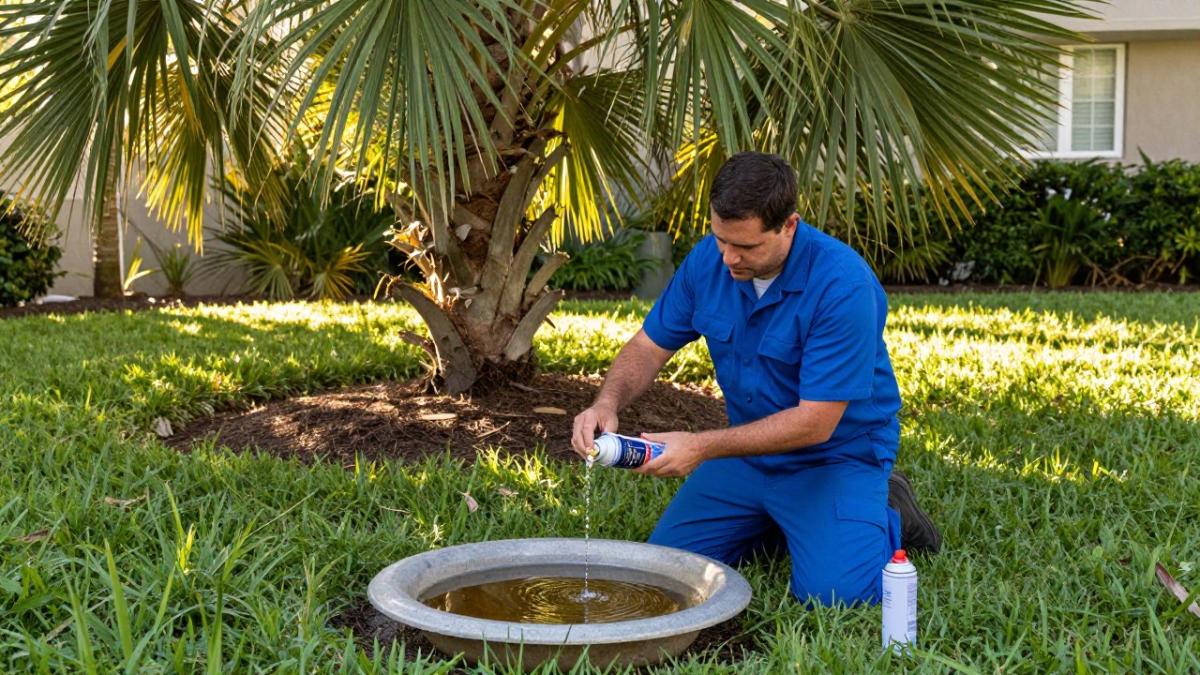
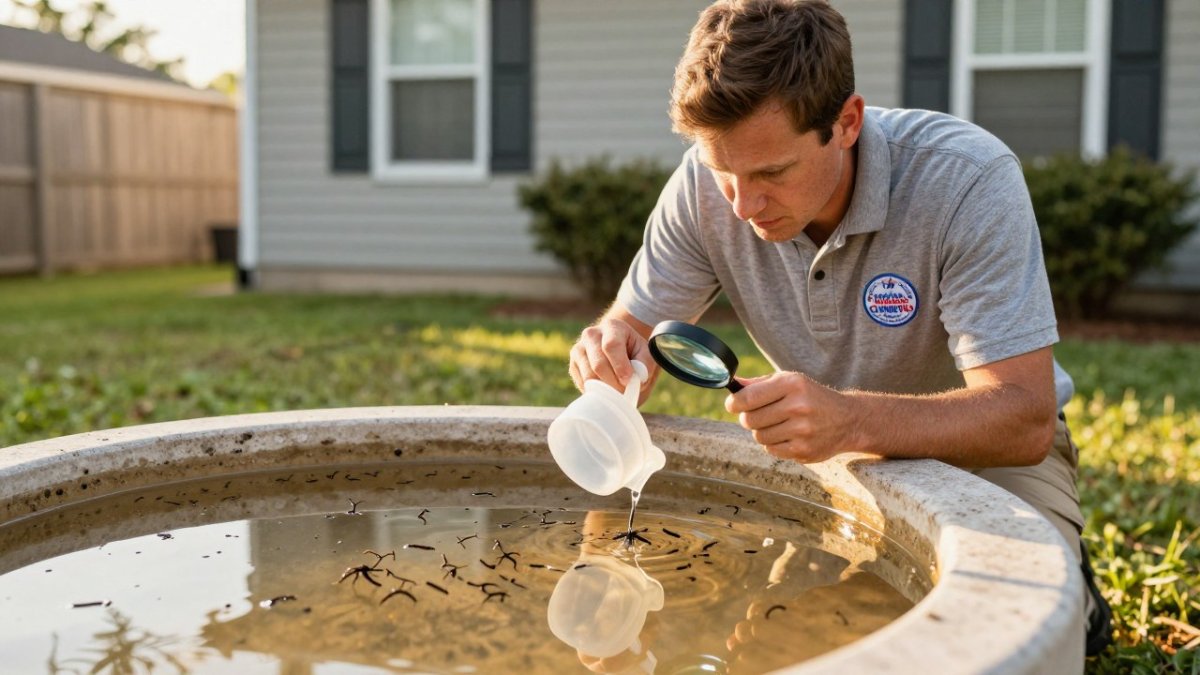
A long-term strategy often starts with removing breeding sites rather than relying on sprays. Mosquitoes breed in standing water, so eliminating breeding sites protects your pets and family without adding chemicals to the yard. Our step-by-step natural control plan walks through the process for Florida yards.
- Empty containers, birdbaths and planters every few days
- Clear gutters and drain clogged downspouts
- Keep grass trimmed and shrubs thinned so mosquitoes have fewer resting spots
- Consider a professional misting system
Floridian Mosquito Control installs and services automatic misting systems, including 100% natural product options. Pricing depends on property size, system layout and service frequency, so contact us for a quote tailored to your home.
Applying Repellents Safely and Recognizing a Reaction in Your Pet
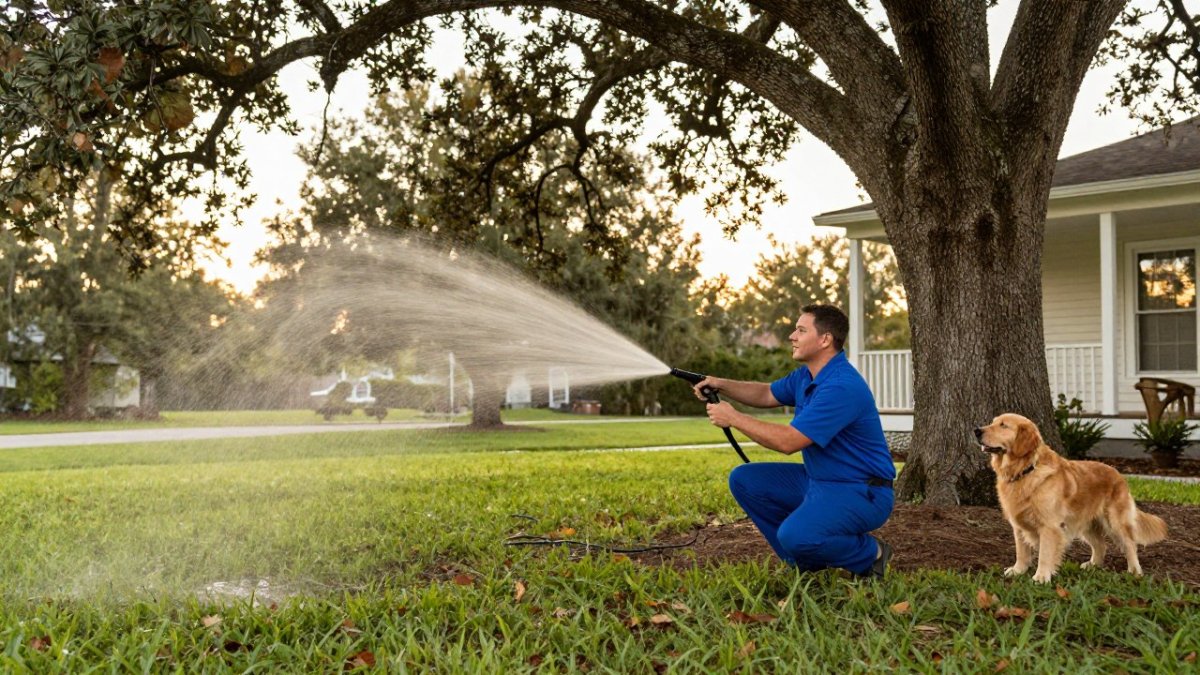
Read the label before every application, and follow the directions for the species listed. Apply coat products to the animal only as directed, keep your pet away from treated areas until they dry, and avoid spraying near food bowls or water.
Watch for signs of a reaction, including drooling, vomiting, tremors, lethargy, skin redness or swelling. If you notice any of these after an application, rinse the area if the label advises it and contact your veterinarian right away. If you cannot reach your vet, contact a poison control service without delay.
Schedule a Pet-Safe Mosquito Plan for Your Property
A pet-safe plan combines the right product for each species, habitat changes around the yard and a service schedule that fits your household. Floridian Mosquito Control can review your property and recommend options for your household.
Call or text 813-433-3464 to schedule your assessment.
Frequently Asked Questions
How do I get rid of mosquitoes without harming my pets?
Start by removing standing water, since mosquitoes breed in it, and trim dense vegetation where they rest. For repellents, choose products whose label explicitly lists dogs or cats as approved users and follow the directions exactly. Always ask your veterinarian before applying any product to an animal, and keep pets out of treated areas until the spray has dried or settled as the label directs.
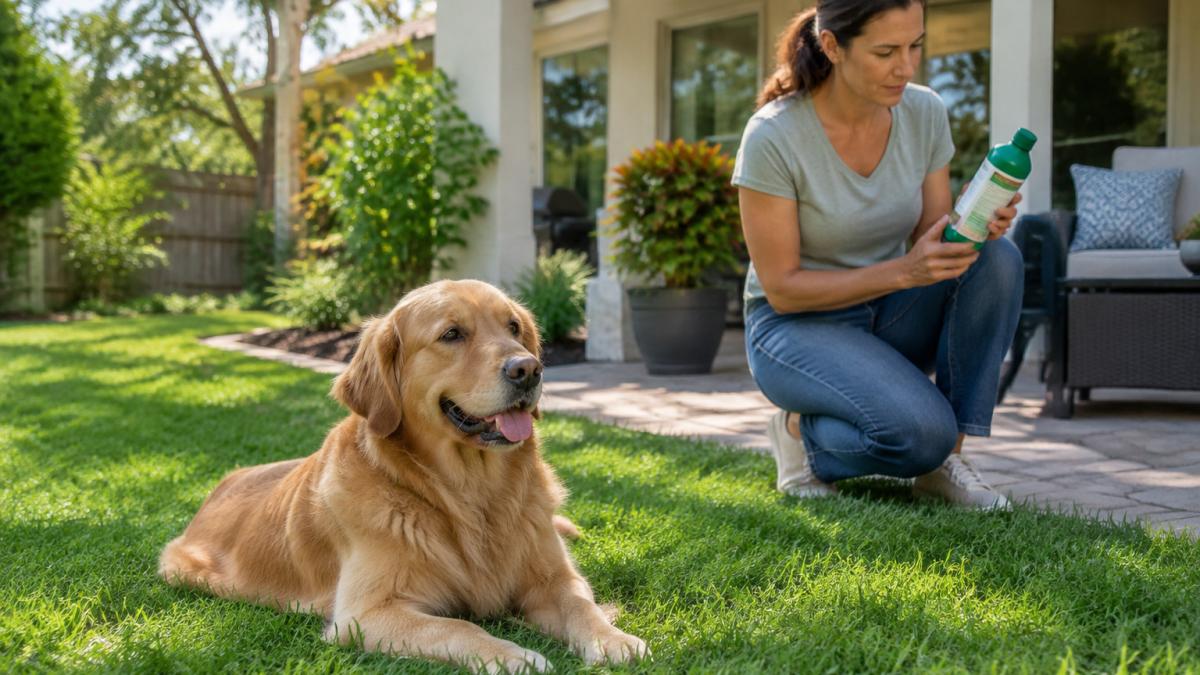
Are professional mosquito yard treatments safe for dogs and cats?
Many professional yard treatments are designed to be used around pets, but safety depends on the product, the concentration and how it is applied. Ask the technician which active ingredients they use, whether they are labeled for use around animals, and how long pets should stay off the treated lawn. Keep pets indoors during fogging and allow surfaces to dry before letting animals back outside. Natural and oil-based options are often a gentler choice for households with pets.
What is a safe mosquito repellent for both pets and kids?
A safe choice for both pets and children is a repellent labeled for the specific species and age range, with clear directions. Avoid applying products meant for people directly onto pets, and never use cat-labeled products on dogs or the reverse. Oil-based repellents can still cause irritation, so test a small area first and keep any product away from eyes, mouths and food. Check the label before every use and store all products out of reach.