 How-to
How to Control Mosquitoes Naturally in Florida: 7 Steps
Last Updated: November 2, 2026
Quick Summary
The most effective way to control mosquitoes naturally in Florida is to remove standing water, since warm, wet conditions let mosquitoes breed quickly in containers and low spots. Natural patio repellents, screens, yard maintenance and a properly maintained DIY trap can then help reduce bites.
- Empty containers weekly, including buckets, planters, toys and pet bowls.
- Clear gutters, because leaves trap water that can stay for days after a storm.
- Fit a fine mesh screen over rain barrels and check it after every storm.
- Empty and refill a DIY trap every three to five days to avoid creating a breeding site.
Table of Contents
- Why Florida Mosquitoes Are Hard to Control Naturally
- How to Get Rid of Standing Water for Mosquitoes
- Natural Mosquito Repellent for Backyard Patio Use
- Physical Barriers, Predators and Yard Maintenance
- Building a DIY Non-Toxic Mosquito Trap
- Mosquito Misting Systems for Residential Yards
- Booking Your Mosquito Control Plan in the Tampa Bay Area
- Frequently Asked Questions
Why Florida Mosquitoes Are Hard to Control Naturally
Florida is one of the hardest places in the country to manage mosquitoes without chemicals. Warm temperatures, heavy rain and high humidity give mosquitoes a long breeding season and plenty of places to lay eggs.
Natural methods work, but they work best when you understand what you are up against. Mosquitoes in Florida do not follow a single schedule, and the species in your yard shape which steps matter most when you try to control mosquitoes naturally.
- Warm weather lets mosquitoes complete their life cycle quickly
- Frequent rain refills containers and low spots within days
- Humidity keeps adult mosquitoes active and feeding longer
- Dense shade and overgrown plants give adults a place to rest
Common Florida Species and How to Identify Them
Several mosquito species are common across the Tampa Bay area. Knowing which one is biting you helps you pick the right control approach.
The most common biters in residential yards tend to be container-breeding species. These mosquitoes lay eggs in small amounts of standing water, such as bottle caps, plant saucers, and clogged gutters.
A common mistake is treating every mosquito the same way. Container breeders respond well to removing water sources. Marsh-breeding species often need a broader approach, especially near wetlands or drainage ditches.
The Seasonal Florida Mosquito Cycle
Mosquito activity in Florida rises and falls with the seasons, but it rarely stops completely. Warm months bring the highest numbers, and the wet season often produces the biggest surges because rain creates new breeding sites.
Plan your control work around these peaks. Start clearing standing water before the rainy season begins, and keep checking your yard through the fall, since mild temperatures can keep the cycle going.
How to Get Rid of Standing Water for Mosquitoes
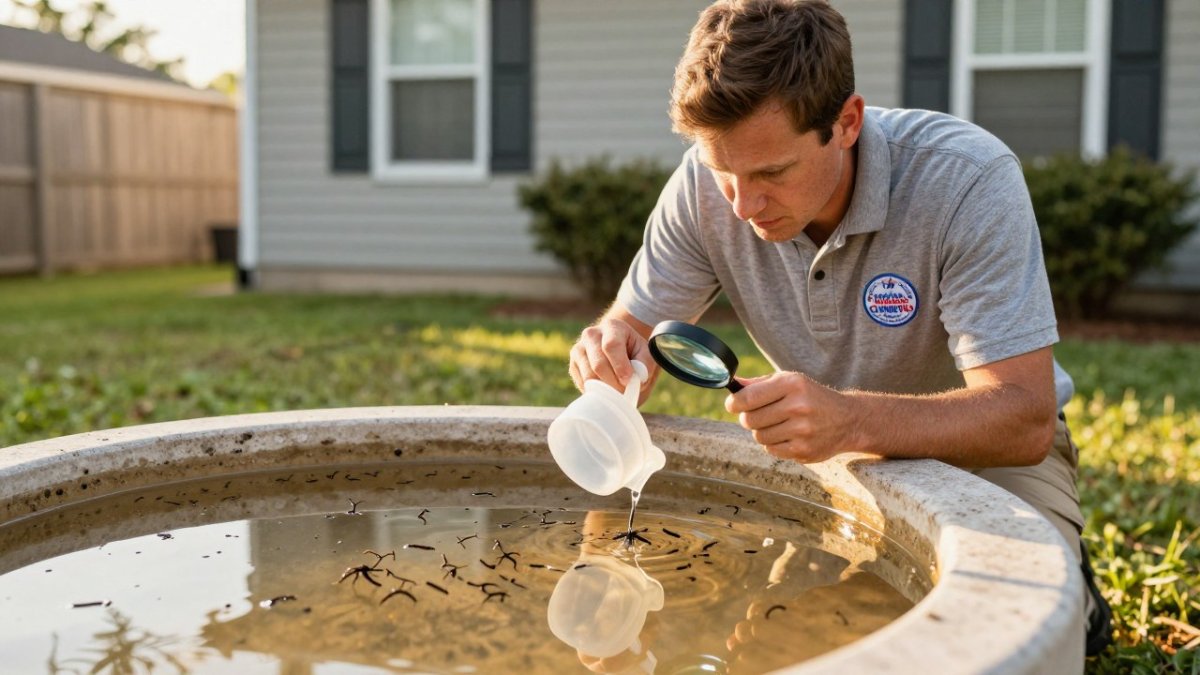
Removing standing water is the most effective natural step you can take to control mosquitoes naturally. Mosquito larvae need water to develop, and most backyard breeding happens in containers you may not think of as a problem.
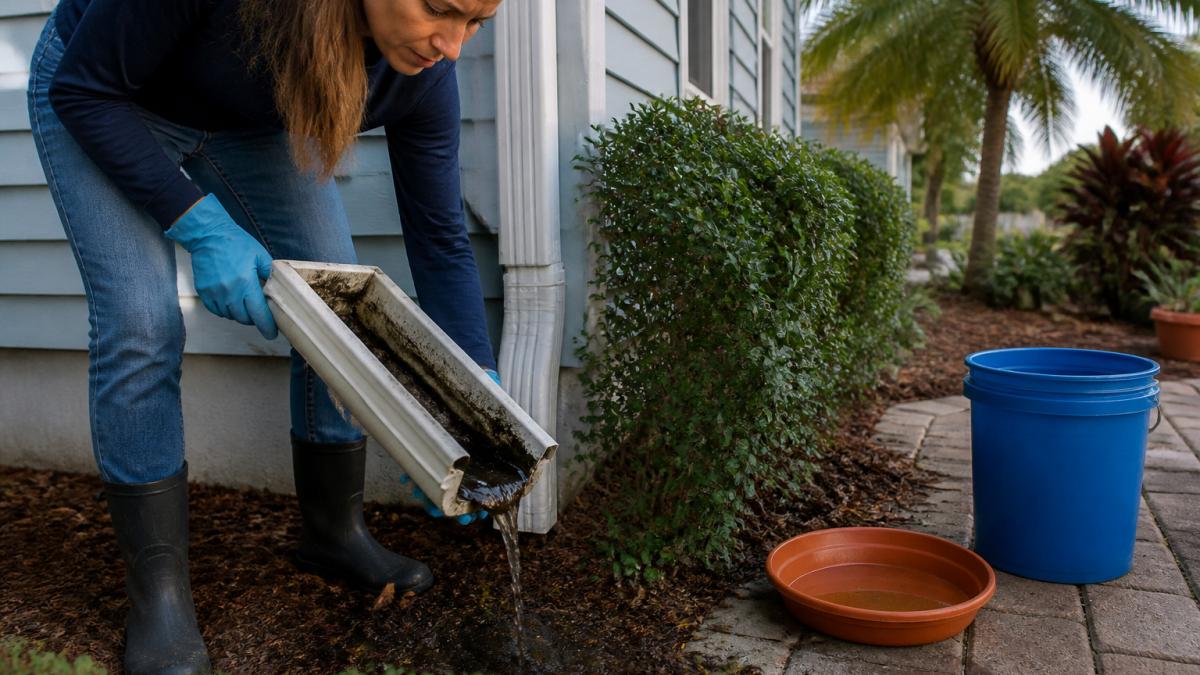
- Empty containers weekly. Check buckets, planters, toys, and pet bowls. Dump water and scrub the sides.
- Clear gutters. Leaves trap water that can stay for days after a storm.
- Turn over saucers and tarps. Store them upside down or keep them dry.
- Fix low spots. Fill in dips in the lawn or add drainage where water pools.
- Check outdoor faucets and hoses. Drips can leave small pools that breed mosquitoes.
Watch out: rain barrels are a common source of mosquito breeding when they are not sealed. Fit a fine mesh screen over the opening and check it after every storm (the CDC).
Natural Mosquito Repellent for Backyard Patio Use
Repellent plants and natural oils can make your patio more comfortable. They work best as a supplement to source reduction, not a replacement for it. Here is what we recommend for Florida patios.
Essential Oils, Citronella and Lemon Eucalyptus
Citronella, lemon eucalyptus oil, and other essential oils are popular natural options for patios. Citronella candles and oils work for short periods, especially when the air is still. Compare more patio-specific repellent options for your outdoor seating area.
Reapply oils according to the label, and keep them away from pets unless the product says it is pet-safe. Some essential oils can irritate animals.
Repellent Plants and Native Sedges
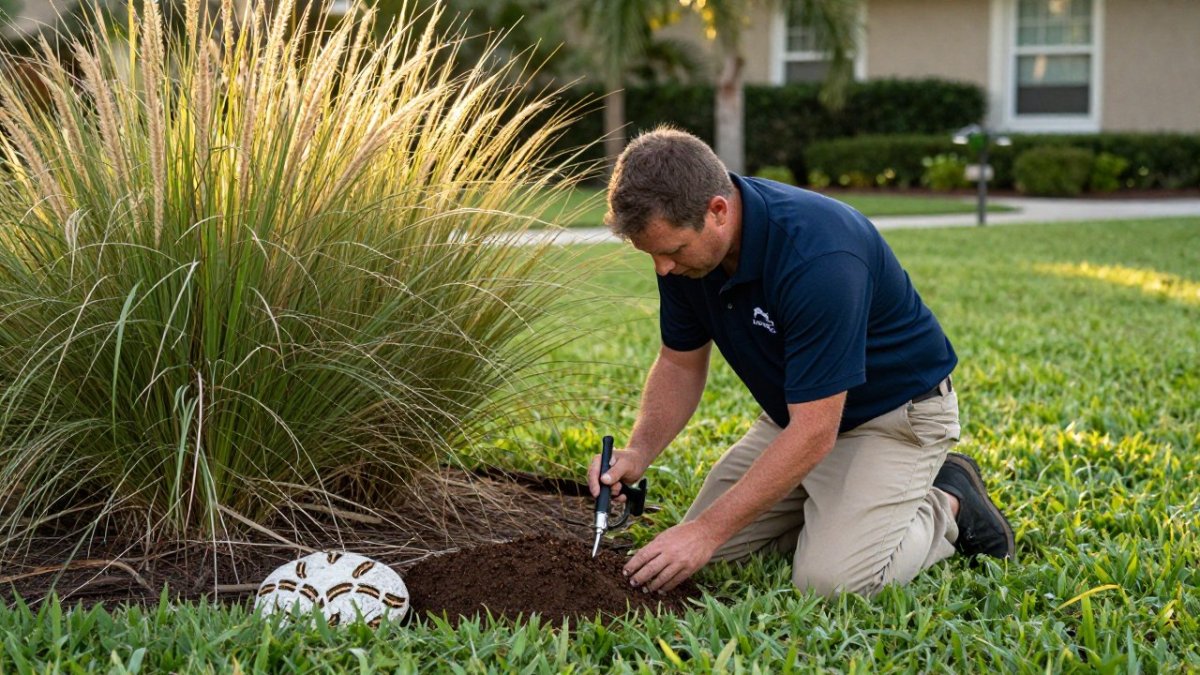
Plants such as citronella grass, lemon balm, and certain herbs can add a pleasant scent to your patio. Native sedges are also worth considering for pollinator-friendly yards, since they support beneficial insects while adding structure to the landscape. Learn how to control mosquitoes without harming bees if pollinators are a priority in your garden.
Plants alone will not clear a yard of mosquitoes. Think of them as a comfort layer, not a control method.
Here is a quick look at the natural patio options covered above and how each one fits in.
| Option | Best for | Key difference |
|---|---|---|
| Citronella candles and oils | Short periods, especially when the air is still | Reapply per label; check pet safety |
| Lemon eucalyptus oil | Patio use alongside other methods | Use as a supplement, not a replacement |
| Repellent plants in pots | Seating areas and a pleasant scent | Comfort layer only; will not clear a yard |
| Native sedges | Pollinator-friendly yards | Support beneficial insects while adding structure |
Physical Barriers, Predators and Yard Maintenance
Barriers and habitat changes can cut down on mosquitoes without any sprays. Screens keep adults out of living spaces, and tidy yards give fewer places for them to rest. Predators also play a role.
- Install or repair window and door screens
- Trim tall grass and dense shrubs where adults hide
- Attract bats with a bat house placed high on a pole or building
- Encourage dragonflies and other beneficial insects by keeping a small pond with moving water
Yard maintenance is a long-term job. Consistent trimming, debris removal, and drainage work do more than one big cleanup.
Building a DIY Non-Toxic Mosquito Trap
A simple trap can help intercept egg-laying females when it is set up and maintained carefully. Here is a basic build and the reasoning behind it so you can adapt it.
How the trap works
Female mosquitoes seeking a blood meal are also seeking water with organic matter to lay eggs. A yeast-and-sugar solution produces carbon dioxide, which mimics the breath of a host, and a small amount of fermenting organic matter mimics the leaf litter and microbes that larvae feed on. The female flies in, lands on the water, and cannot find her way out through the funnel. The trap is a decoy, not a barrier, it works by intercepting egg-laying females before they find your gutters, saucers, and bird baths.
What you need
- A dark-colored plastic bucket or a 2-liter bottle with the top third cut off and inverted into the base
- A fine mesh screen or tightly woven fabric for the top, secured with a zip tie or cord
- One packet of active dry yeast or a pinch of baker's yeast
- Two tablespoons of brown sugar
- Warm (not hot) water
- A few handfuls of dried leaves or a small piece of hay for organic matter
Step-by-step build
- Cut the bottle as described, or use a bucket with a lid. Dark colors attract more egg-laying females than clear or white containers.
- Add two tablespoons of brown sugar and a pinch of yeast to about a quart of warm water. Stir until dissolved. Do not use hot water, it kills the yeast and the trap stops producing carbon dioxide.
- Add a small handful of dried leaves or hay. This is what makes the trap attractive to container-breeding species like Aedes aegypti and Aedes albopictus, which prefer water with organic matter.
- Invert the bottle top into the base to form a funnel, or cut a small entry hole in the bucket lid and cover it with mesh. The opening should be wide enough for a mosquito to enter but narrow enough that she struggles to find it again.
- Cover the top with fine mesh to keep out beneficial insects, pets, and rain. Secure it tightly.
- Place the trap in a shaded spot near where you are getting bitten, under a deck, behind shrubs, near the patio edge. Shade and stillness matter; a trap in full sun dries out and one in wind disperses the carbon dioxide plume.
Maintenance and the breeding-site risk
Watch out: an unmaintained trap is worse than no trap. If the mesh fails, if the trap overflows in rain, or if you let it sit for more than a week, larvae can complete their life cycle inside it and you have built a mosquito nursery. Empty and refill the trap every three to five days, scrub the sides with a brush to remove eggs, and refresh the yeast and sugar. In hot weather, the solution fouls faster, check it every other day.
Protecting beneficial insects and pets
The mesh cover is the key design feature most guides skip. Without it, the trap catches dragonflies, damselflies, parasitic wasps, and other predators that do more mosquito control than the trap ever will. The mesh also keeps pets and wildlife out of the yeast solution, which is not toxic but can cause stomach upset if a dog drinks a large amount. Place traps out of reach of pets and children, and never add essential oils to the trap water, many are toxic to cats and dogs and none are needed for the trap to work.
What to expect
A single trap will not clear a yard. Several traps placed around the perimeter of a patio or seating area may help reduce biting pressure, but they are a supplement to source reduction, not a replacement. If you are still getting bitten after a week of trap maintenance, the problem is likely a breeding site you have not found, a clogged gutter, a plant saucer, a tarp, or a neighbor's neglected container.
Mosquito Misting Systems for Residential Yards
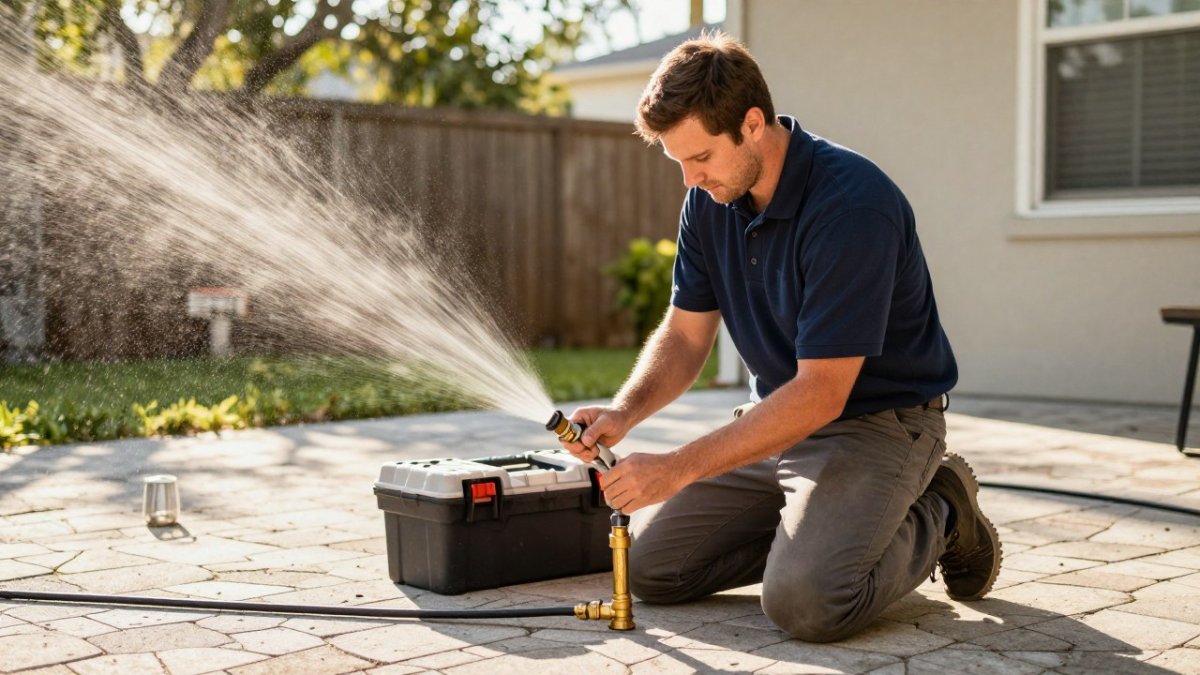
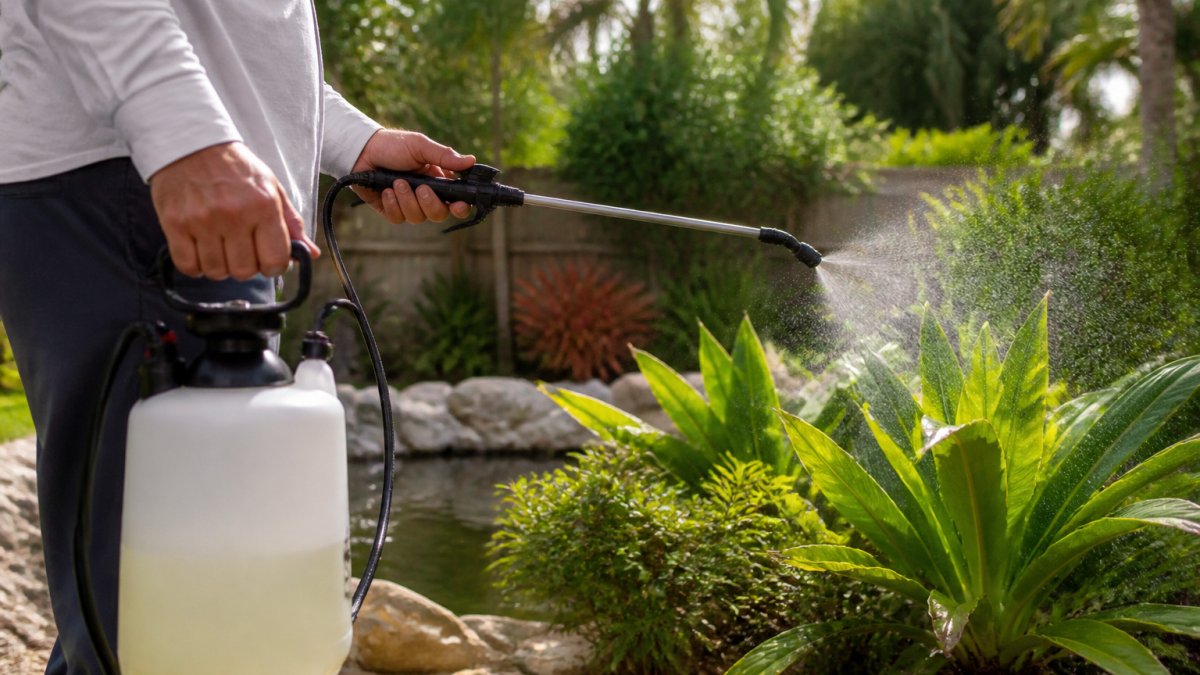
Misting systems release small amounts of repellent or treatment through nozzles around the yard. They can provide steady coverage through the warm season, which is useful when natural methods alone are not enough. Find out whether mosquito misting systems kill bees before you decide on one.
Consider a misting system if your yard is large, heavily shaded, or near wetlands. Floridian Mosquito Control installs and services automatic misting systems, including 100% natural product options.
Booking Your Mosquito Control Plan in the Tampa Bay Area
Natural control works best as a plan, not a one-time effort. Combining source reduction, barriers, plants, and professional support gives you the strongest results across the season. Explore the full range of professional mosquito control services available before you book.
Floridian Mosquito Control is a locally owned and operated family business licensed by the Florida Department of Agriculture and Consumer Services. We are a Certified Coastal Mister Dealer, and we serve homeowners across Pinellas and Hillsborough counties.
Call or text 813-433-3464 to talk through your options and get protected before your next outdoor event.
Frequently Asked Questions
What smell do mosquitoes hate most?
Mosquitoes are repelled by strong botanical scents, especially citronella, lemon eucalyptus oil, and certain herbs such as lavender and catnip. Scent alone will not clear a yard, though. Pair an aromatic plant or oil with standing water removal and shade control, because mosquitoes breed and rest in the same damp, shaded spots that most yards offer. Reapply oil-based products according to the label, since heat, humidity and rain in Florida break them down faster than in drier regions.
Do natural mosquito repellents work in high-humidity environments?
Natural repellents can work in Florida's humidity, but they usually need to be reapplied more often. Heat and sweat shorten the protection time of oil-based products, and rain washes them off outdoor surfaces. Plant-based repellents work best as part of a layered plan. Combine them with removing standing water, using window screens and running a fan on the patio, which keeps mosquitoes from settling near people.
Are essential oils safe for pets when used for mosquito control?
Some essential oils that repel mosquitoes can be toxic to cats and dogs, even when diluted. Cats are especially sensitive because they cannot process many plant compounds through their liver. Before using any oil in a yard where pets spend time, check with your veterinarian and read the product label for pet warnings. Keep pets out of treated areas until the spray has dried, and store oils out of reach. Physical measures such as screens, fans and water removal carry no risk to animals.
How can I eliminate mosquito breeding grounds in my backyard?
Walk your yard once a week and empty anything that holds water for more than a few days. Common sources include plant saucers, pet bowls, birdbaths, clogged gutters, tarps, tire swings and wheelbarrows. Turn over buckets and store them upside down. Clean birdbaths and pet water dishes at least twice a week, and add mosquito-eating fish such as Gambusia to ornamental ponds. Also trim tall grass and dense shrubs where adult mosquitoes rest during the day.