 blog
Best Mosquito Misting System for Homes: 2026 Guide
Last Updated: October 23, 2026
Quick Summary
A mosquito misting system is an automated device that sprays fine mist containing insecticide or natural treatment solutions across your outdoor living space on a schedule, using tubing and strategically placed nozzles to kill adult mosquitoes. These systems run on a timer, typically spraying for 15-30 seconds at dawn and dusk when mosquitoes are most active, reducing biting activity in the treated area within the first week or two of consistent operation.
- Nozzle placement aimed at mosquito resting sites in vegetation matters more than raw spray volume for effectiveness.
- Misting systems do not eliminate breeding sites in standing water and cannot overcome heavy reinvasion from untreated neighboring land.
- Treatment solution refills typically occur every 4-8 weeks during active mosquito season depending on spray frequency and coverage area.
- Professional installation eliminates guesswork on nozzle spacing and coverage calculation, which determines whether the system reaches all resting zones.
- A misting system makes most sense for waterfront properties, large wooded lots, and homes with frequent outdoor use and consistent mosquito pressure.
Table of Contents
- How Mosquito Misting Systems Work
- Do Mosquito Misting Systems Actually Work?
- Mosquito Misting System Installation: DIY vs. Professional
- Mosquito Misting System Cost and Budgeting
- Mosquito Misting System Maintenance and Operating Requirements
- Alternatives to Automatic Mosquito Misting Systems
- Is a Misting System Right for Your Home?
- Frequently Asked Questions
How Mosquito Misting Systems Work
These systems run on a timer, typically spraying for 15-30 seconds at dawn and dusk when mosquitoes are most active, coating vegetation and outdoor surfaces where mosquitoes rest.
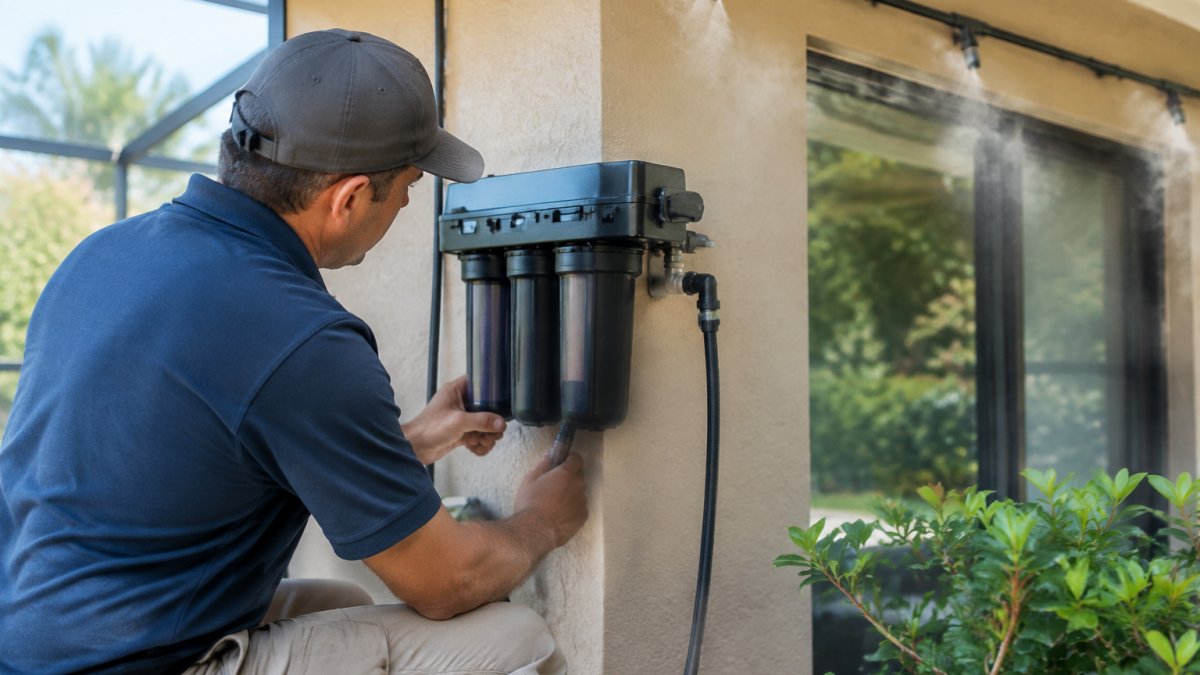
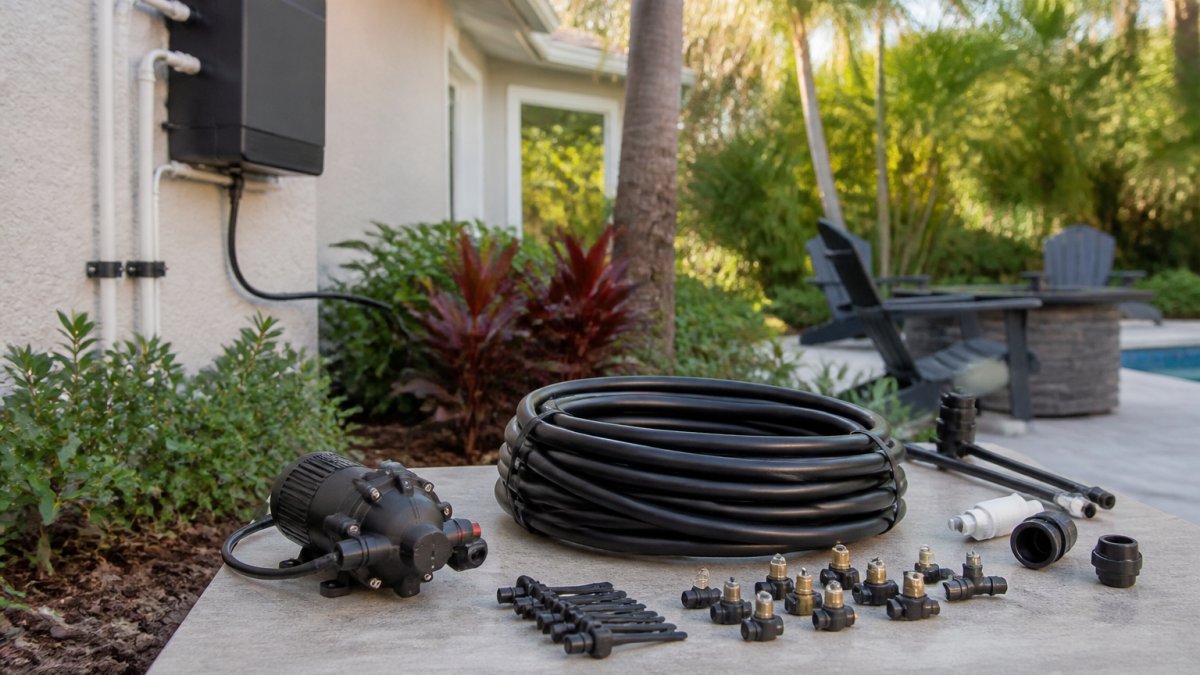
Core components include a reservoir tank, pump, timer, and distribution tubing with precision nozzles positioned for even coverage across your property.
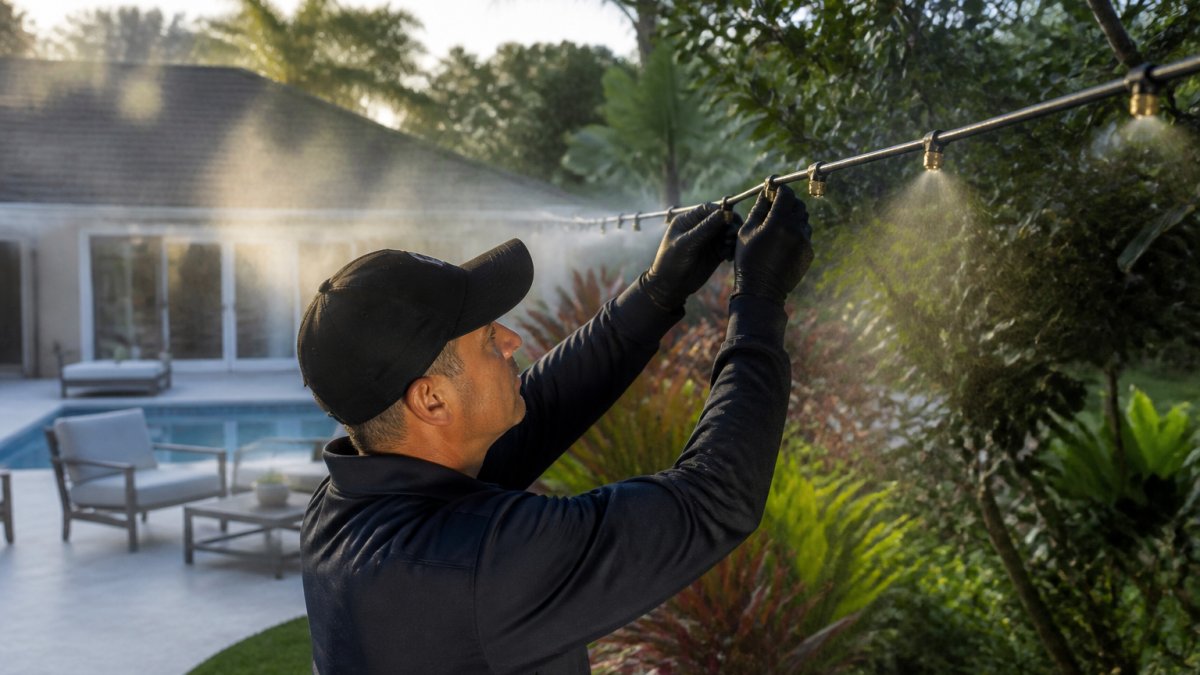
Treatment solutions vary: some use synthetic insecticides targeting adult mosquitoes, others use natural plant-oil products, depending on your concerns about pets, pollinators, and environmental impact. We offer 100% natural options alongside conventional treatments, giving you control over what's applied.
Do Mosquito Misting Systems Actually Work?
Yes, with caveats about what they do well and where they fall short. A misting system is an adulticide delivery tool, not a population-elimination tool.
What the system actually does
When the timer fires, the pump atomizes solution into fine droplets that land on foliage, shaded surfaces, and leaf undersides where adult mosquitoes shelter during the heat of the day. Contact with a treated surface kills them, and a residual film keeps working between cycles. Because most residential species rest in vegetation and shaded microhabitats rather than open lawn, nozzle placement aimed at those resting sites matters more than raw spray volume.
What results are reasonable to expect
On properties with moderate pressure, most practitioners see a noticeable drop in biting activity within the first week or two of consistent operation, with the biggest gains in treated zones during dawn and dusk. The system doesn't make mosquitoes disappear; it reduces the population in the protected area and lowers bite frequency. Expect the strongest effect inside the nozzle footprint and weaker results at the property edges, especially on large or heavily wooded lots where mosquitoes reinvade from untreated neighboring vegetation.
Where misting systems fall short
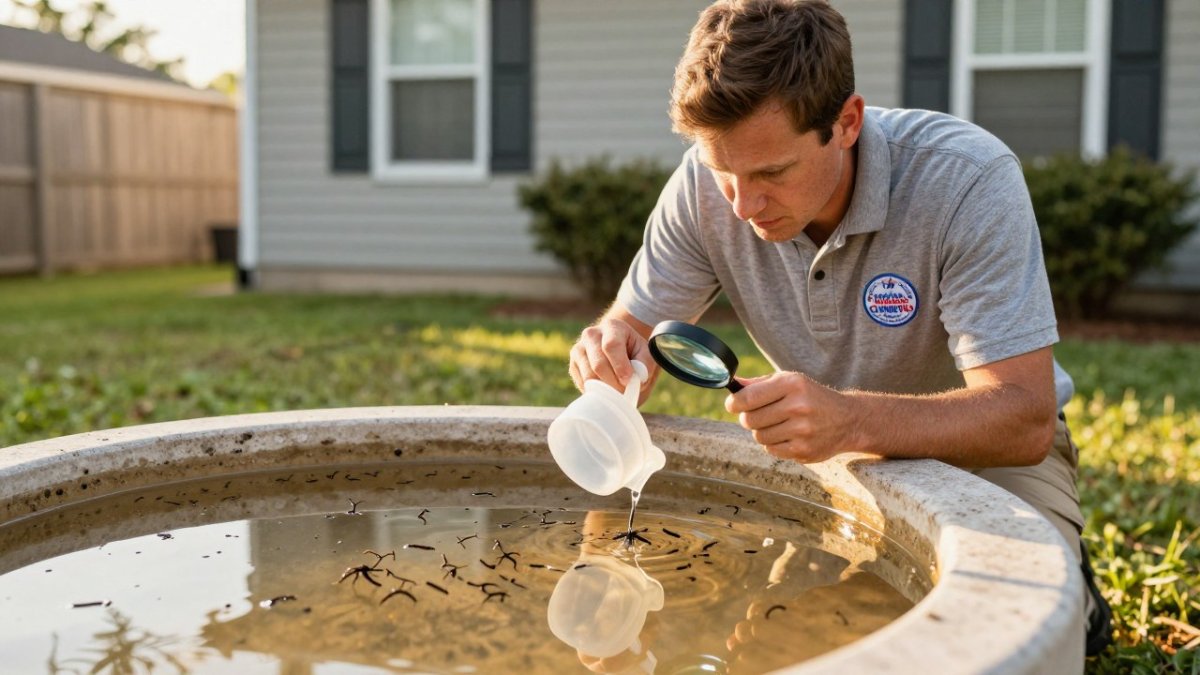
- They do not eliminate breeding sites. Standing water in gutters, plant saucers, bird baths, tarps, and drainage areas keeps producing new adults no matter how well the system sprays; source reduction is not optional.
- Reinvasion is continuous. Properties next to wetlands, woods, or water bodies see mosquitoes move back in between cycles; longer cycles help but raise solution cost.
- Coverage is only as good as the design. Dead zones from poor nozzle spacing, clogged nozzles, or tubing routed away from resting habitat are the most common reason a system "doesn't work."
- Weather and timing matter. Spraying before rain or during heat that evaporates droplets wastes solution; rain sensors and dawn/dusk scheduling improve efficiency.
- Resistance and product choice. Rotating treatment solutions and following label directions supports continued efficacy; relying on a single mode of action indefinitely is a known risk in pest management.
How to judge whether it is working on your property
Use a simple before-and-after test rather than relying on feel: count bites during a fixed 15-minute sit outside at dusk before installation, then repeat weekly at the same time and location for the first month. If bites drop inside the nozzle footprint but stay high at the perimeter, the fix is usually layout and nozzle coverage, not more chemical.
Professional design is where most effectiveness is won or lost. Nozzle placement, zone layout, and coverage calculation determine whether the system reaches the shaded resting habitat where mosquitoes shelter. A well-designed system delivers consistent relief; a poorly designed one on a high-pressure lot will disappoint regardless of the product in the tank.
Mosquito Misting System Installation: DIY vs. Professional
You have two paths: install a system yourself or hire professionals. DIY systems are available through retailers and online marketplaces, while professional installation through licensed technicians like our team offers expertise and accountability.
DIY Installation requires buying a kit, running tubing, mounting nozzles, and configuring the timer. Incorrect nozzle spacing reduces coverage, and poor tubing routing creates dead zones.
Professional Installation eliminates guesswork. We handle installation, testing, and configuration, and our team at Floridian Mosquito Control manages ongoing service and repair so your system runs reliably through mosquito season.
The decision comes down to your comfort with technical projects and willingness to troubleshoot. Professional installation costs more upfront but provides peace of mind and better long-term results.
Mosquito Misting System Cost and Budgeting
Most articles either quote a single installation range or dodge pricing altogether. Neither helps you budget. What determines whether a misting system is worth it is the total cost of ownership across a full season, broken into five buckets: equipment, installation, treatment solution, maintenance and repairs, and electricity. Here's what drives each up or down, so you can build a realistic annual number.
1. Equipment and installation
Hardware cost scales with three variables: nozzle count, tubing length, and reservoir and pump size. A small courtyard might need a dozen nozzles and a 25-gallon tank; a half-acre wooded lot with multiple zones can need 60-plus nozzles, several hundred feet of tubing, a larger pump, and a programmable controller with zone valves. Because those variables swing so widely, any single national "average" price is close to meaningless, with DIY kits costing materially less on hardware but shifting labor and design risk onto you. Ask any installer to quote per nozzle and per zone so you can compare bids on the same basis.
2. Treatment solution (the recurring cost most people underestimate)
Solution is the line item that compounds. A system spraying twice daily for 20-30 seconds per zone consumes concentrate far faster than one running a single dawn cycle. Refill cadence depends on tank size, dilution ratio, zone count, and season length; in warm, humid climates with a long mosquito season, plan on refills every 4-8 weeks during peak months. Two levers reduce this cost: run scheduled cycles rather than continuous misting, and use a rain sensor and seasonal timer adjustments. Compare cost per treated acre per month, not cost per bottle.
3. Maintenance and repairs
Budget for nozzle cleaning or replacement, tubing inspection, pump and timer service, and occasional valve or fitting failures. Nozzles clog from mineral deposits, and hard water accelerates this. Plan a modest annual maintenance allowance on top of solution, plus a reserve for one mid-season repair. Professional service contracts bundle monitoring, refills, and repairs into a predictable fee, convenient, but usually priced at a premium over doing refills yourself.
4. Electricity and miscellaneous
The pump and controller draw very little; electricity is a rounding error compared with solution. The bigger hidden cost is winterization or draining where the system sits idle for months, plus the labor to recommission it in spring.
5. How to compare a misting system against alternatives on cost
A fair comparison is cost per month of protected outdoor season, not sticker price. Manual fogging and professional barrier treatments have low or zero upfront cost but recur every service visit. Source reduction (draining standing water, clearing gutters, fixing drainage) costs mostly time and delivers the best long-term reduction in breeding. A misting system front-loads equipment and installation, then spreads cost across seasons, which is why it pencils out best for homeowners with long mosquito seasons, large or wooded lots, and frequent outdoor use.
Rather than publish a number that will not match your property, the right move is to get a property-specific quote based on nozzle count, zone layout, and your spray schedule. That quote should itemize the five buckets above so you can see exactly where the money goes.
Mosquito Misting System Maintenance and Operating Requirements
Regular maintenance keeps your mosquito misting system functioning reliably. The most critical task is refilling the treatment solution reservoir, typically every 4-8 weeks during active mosquito season depending on spray frequency and coverage area.
Beyond refills, inspect tubing quarterly for cracks, leaks, or corrosion, especially in coastal environments where salt spray accelerates wear. Nozzles occasionally clog from mineral deposits or debris; cleaning or replacing them maintains spray pattern consistency.
The system should be winterized in cooler climates or drained if you won't use it for extended periods. Professional maintenance contracts handle these tasks systematically, reducing the risk of equipment failure during peak mosquito season.
Alternatives to Automatic Mosquito Misting Systems
If an automated system doesn't fit your situation, other mosquito control methods exist.
Source reduction directly addresses breeding sites. Eliminating standing water, cleaning gutters, maintaining drainage, and clearing vegetation reduces mosquito populations at the source. It's labor-intensive but effective long-term, especially combined with other methods.
Personal protective measures include repellents, protective clothing, and screening for outdoor spaces. These protect individuals but don't reduce the overall mosquito population affecting your property; fans and citronella candles offer limited effectiveness compared to systematic treatment.
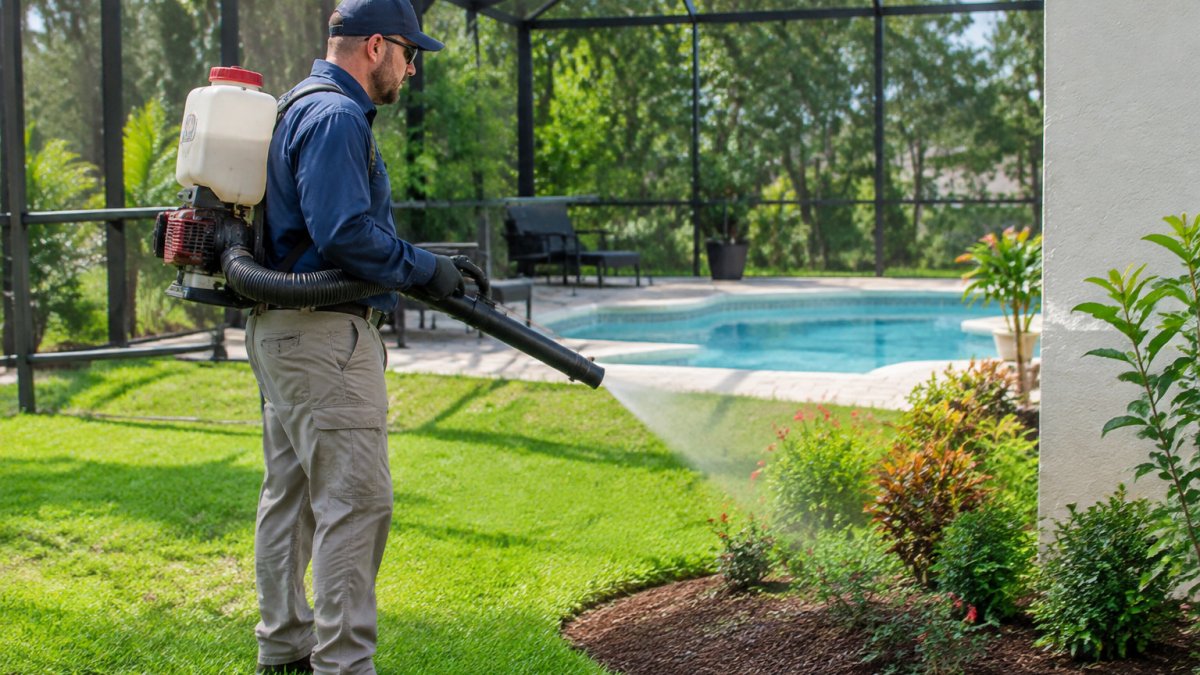
Professional fogging services provide an alternative to permanent installation.
Is a Misting System Right for Your Home?
A mosquito misting system makes sense if you spend significant time outdoors and experience consistent mosquito pressure.
Consider your property size: smaller backyards may achieve adequate protection through simpler methods, while larger properties with extensive landscaping justify an automated system's coverage benefits.
Your treatment preferences influence the decision.
The real question isn't whether misting systems work, they do. It's whether the investment aligns with your lifestyle, property characteristics, and mosquito pressure.
At Floridian Mosquito Control, we help homeowners make this decision honestly.
Protecting your family from mosquitoes shouldn't mean choosing between effectiveness and safety. A professionally installed and maintained mosquito misting system delivers continuous protection while letting you enjoy your outdoor living space without constant vigilance.
Frequently Asked Questions
Do mosquito misting systems really work?
Mosquito misting systems are effective at reducing adult mosquito populations when properly installed and maintained. They deliver targeted treatment directly to areas where mosquitoes rest, providing continuous protection during peak activity periods. Effectiveness depends on system coverage, treatment frequency, product choice, and local mosquito pressure. For maximum results, combine misting with source reduction, eliminating standing water and breeding sites on your property.
Are mosquito misting systems safe for pets and children?
Modern mosquito misting systems can be operated safely around families and pets when using appropriate products and following application guidelines. Many systems offer 100% natural product options derived from plant-based insecticides, which provide effective mosquito control while minimizing exposure risks. Professional installation and operation ensure proper dosing and application timing. Always discuss your family's health needs and pet sensitivities with your service provider before system activation.
How much does it cost to install and operate a mosquito misting system?
Total costs for a mosquito misting system depend on property size, coverage area, system type (DIY vs. professional), and ongoing maintenance needs. Installation involves equipment, tubing, nozzles, and labor, while operating costs include treatment solution refills and periodic maintenance. For accurate pricing tailored to your specific property and needs, contact a licensed professional for a detailed quote.
What are the best alternatives if a misting system isn't right for my property?
Alternatives to automatic misting systems include on-demand fogging services for targeted mosquito control, source reduction (eliminating standing water and breeding sites), installing ceiling fans and screens to deter mosquitoes, using mosquito traps, applying topical repellents, and maintaining landscaping to reduce resting areas. For properties with limited space or budget constraints, professional fogging treatments on an as-needed basis offer effective protection without permanent installation.