 blog
Are Local Family Pest Control Companies Worth It?
Last Updated: November 4, 2026
Quick Summary
Local family pest control companies can be worth it when you compare them on written terms rather than the sales pitch. Ask each provider for the first-year total, contract and cancellation terms, response window, guarantee details, and who performs the work. Among pest control alternatives, the company that answers those questions clearly and specifically is usually the safer bet.
- Ask for the first-year total, not just the first-visit price.
- Check the cancellation window and whether the contract auto-renews.
- Get the guarantee's re-treatment count and request window in writing.
- Verify the state license and ask for a certificate of insurance.
- Request a service report after each visit to document treatments.
Table of Contents
- Why Homeowners Look for Pest Control Alternatives
- Local Family Businesses vs. National Pest Control Chains
- How to Choose a Pest Control Company
- Mosquito Fogging vs. Misting System: Which Fits Your Property
- How Long Mosquito Treatment Lasts and What Affects It
- Natural Mosquito Control Treatments and Their Trade-offs
- When DIY Makes Sense and When to Call a Professional
- Booking Your Next Step for Mosquito Protection in Tampa Bay
- Frequently Asked Questions
Why Homeowners Look for Pest Control Alternatives
Many homeowners start looking for pest control alternatives after a treatment fails to hold. A fogging visit clears the air for a day or two, and then the buzzing returns. That frustration is the starting point for most of the searches behind this article.
Local family pest control alternatives are not automatically better, but they do offer a different set of trade-offs. Others simply want a second opinion on what a large company quoted them.
Floridian Mosquito Control is a locally owned and operated family business. We work with homeowners who want a clear explanation of what a treatment does, how long it lasts, and what it costs before anything is scheduled.
Local Family Businesses vs. National Pest Control Chains
The biggest difference is usually accountability. National chains may offer standardized contracts, larger scheduling systems, and call centers that can handle high volume. Neither model is automatically the right choice, so compare them on the terms that actually affect your wallet and your calendar.
Pricing structure. National chains often quote a bundled recurring plan with an introductory rate that steps up at renewal. Local independents more often quote per service or per visit, which can be cheaper for a single event and more expensive across a full year. Ask each company for the first-year total, not the first-visit price, and ask what the rate becomes after any promotional period.
Contract terms. Look at the length of the initial term, the cancellation window, auto-renewal language, and whether a cancellation fee applies. A month-to-month plan with a written 30-day notice is easier to exit than a 12-month agreement that renews automatically. Get the renewal conditions in writing before you sign.
Response commitments. Ask what "same-day" actually means: same-day scheduling, same-day arrival, or same-day callback. A local owner may answer the phone personally but have a smaller crew during peak season; a national chain may have a larger dispatch pool but route you through a call center. Ask for the response window in writing.
Guarantees and follow-up. A treatment guarantee should state how many free re-treatments are included, the time window to request one, and whether the guarantee covers the same pest or any pest. Compare the written guarantee language side by side rather than relying on the sales pitch.
Who does the work. Ask whether the technician who performs the first visit is the same one who handles follow-ups, and whether employees or subcontractors do the work. Subcontracted labor is not automatically worse, but it changes who is accountable when something goes wrong.
Documentation. Ask for a service report after each visit listing the product category, the areas treated, and any recommendations. Good documentation is what lets you compare providers over time and hold a company to its guarantee.
A practical way to decide: write the same five questions to each company, first-year total, contract length and cancellation terms, response window, guarantee terms, and who performs the work, and compare the written answers. The company that answers clearly and specifically is usually the safer bet, whether it is a local family business or a national chain.
How to Choose a Pest Control Company
Start by confirming licensing. In Florida, pest control businesses are regulated by the Florida Department of Agriculture and Consumer Services, and you can verify a license through that agency's public records (Pest Control Licensing and Certification). Ask for the license number and check it yourself rather than taking a logo on a truck as proof.
Next, request a written estimate that lists the service, the product category, the number of visits, and any renewal terms. Verbal quotes are hard to compare later, and a written estimate is the document you will rely on if the scope of work is disputed.
Then work through a short verification checklist before you sign anything:
- License and insurance. Confirm the license is active and ask for a certificate of insurance. General liability coverage matters if a technician damages property or a product affects a neighbor's yard.
- Written estimate and scope. The estimate should name the target pest, the treatment method, the number of visits, and what is excluded. "General pest control" is too vague to hold anyone to.
- Guarantee terms. Ask how many re-treatments are included, the window to request one, and whether the guarantee covers the same pest or any pest.
- Treatment documentation. Ask for a service report after each visit listing the product category, areas treated, and recommendations. This is your record for comparing providers and for any warranty claim.
- Complaint handling. Ask who you call if a treatment fails and how quickly that call is returned. A named contact and a stated response window are better than a general customer-service line.
- Cancellation and renewal. Read the cancellation window, auto-renewal language, and any fee before signing. A plan you cannot exit easily is a plan you should think twice about.
Finally, ask how the company handles a treatment that fails to hold. A clear answer about follow-up visits tells you more than a low introductory price. If a company cannot explain its guarantee, its documentation, and its complaint process in plain language, that is your answer.
The checklist below covers the points a homeowner should verify before signing with any pest control company.
| Check | What to ask for | Why it matters |
|---|---|---|
| License and insurance | Active license number and a certificate of insurance | Confirms the business is regulated and covered if property is damaged |
| Written estimate | Service, product category, number of visits, renewal terms | Gives you a document to compare and rely on if scope is disputed |
| Guarantee terms | Re-treatments included, request window, pests covered | Shows what happens if the treatment fails to hold |
| Treatment documentation | Service report after each visit | Creates a record for comparing providers and warranty claims |
| Complaint handling | Named contact and stated response window | Shows how quickly a failed treatment gets addressed |
| Cancellation and renewal | Cancellation window, auto-renewal language, any fee | Determines how easily you can exit the plan |
Mosquito Fogging vs. Misting System: Which Fits Your Property
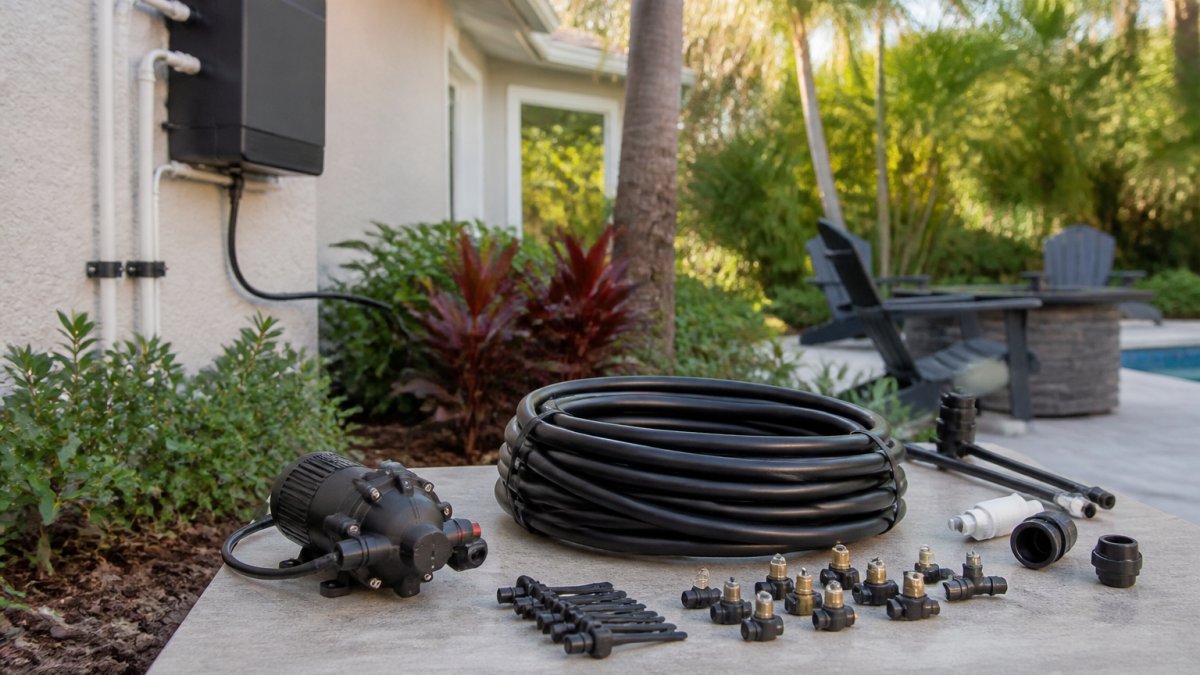
A misting system delivers small, scheduled doses of product through nozzles around the yard. Browse this guide to the best mosquito misting systems for homes to see what the option involves. Learn why mosquitoes come back after professional fogging so quickly before choosing a method.
Pricing for either service depends on property size, layout, and the scope of work, so request a quote from Floridian Mosquito Control for current figures.
How Long Mosquito Treatment Lasts and What Affects It
Treatment duration depends on weather, rainfall, the surrounding landscape, and how much standing water is nearby. Heavy rain and high humidity can shorten results, and nearby wetlands or untreated drainage areas can keep repopulating the property.
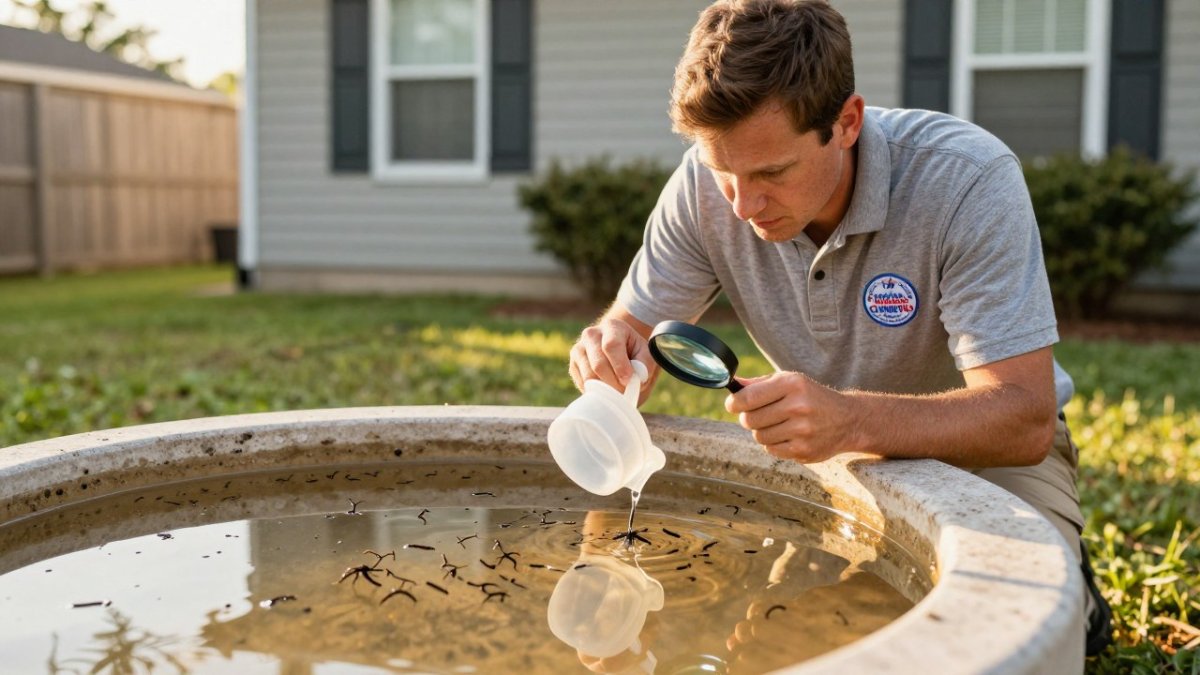
Egg hatching is an important factor. Removing or treating breeding sites, such as birdbaths, clogged gutters, and plant saucers, extends the time between treatments.
Watch out: a treatment that works in spring may not hold through the summer rainy season. Plan follow-up visits around the wettest months rather than assuming one application will last all year.
Natural Mosquito Control Treatments and Their Trade-offs
Natural and lower-impact products are appealing to homeowners who care about pets, children, and pollinators. Read whether mosquito misting systems kill bees before weighing this trade-off. Floridian Mosquito Control offers 100% natural product options. Ask us how those products compare with conventional treatments for your specific property.

Homeowners with native plants and pollinator gardens should ask specifically which products are used and when they are applied, because timing matters for bee and butterfly activity. See how to control mosquitoes without harming bees for practical steps.
When DIY Makes Sense and When to Call a Professional
A do-it-yourself approach can work for small, simple tasks. Emptying containers that hold standing water, cleaning gutters, and trimming dense vegetation where mosquitoes rest are all reasonable projects.
Call a professional when mosquito activity is persistent, when you are hosting an event with a deadline, or when you have a misting system that needs installation, service, or repair.
Booking Your Next Step for Mosquito Protection in Tampa Bay
If you are comparing options, start with the questions above and get written answers from each company you consider.
Call or text 813-433-3464 to get in touch.
Frequently Asked Questions
How long does professional mosquito treatment last?
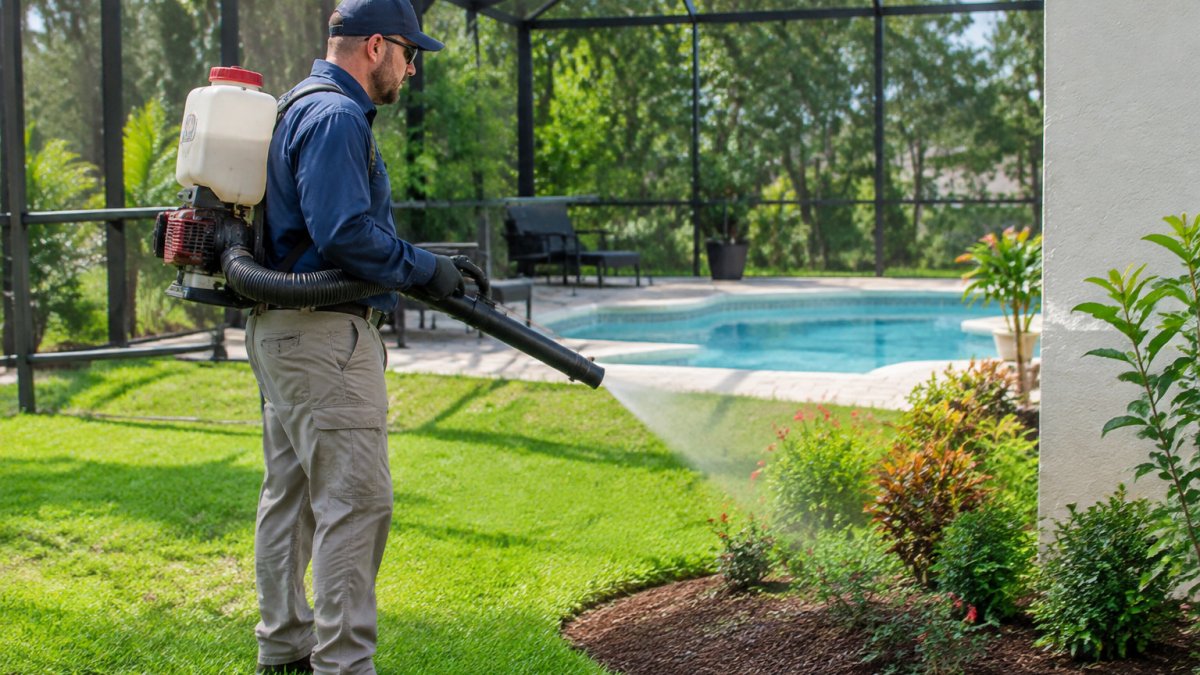
Results depend on the treatment method, weather, rainfall, and how much vegetation surrounds the property. Fogging targets adult mosquitoes that are flying at the time of treatment and typically offers short-term knockdown, while automatic misting systems release product on a schedule and maintain control between service visits. Because Florida's heat and frequent rain speed up mosquito breeding, ask any provider for their recommended service interval and how they handle breeding sources such as standing water. Contact the company directly for current pricing, which depends on property size and service frequency.
Are natural mosquito control treatments effective?
Natural treatments can reduce adult mosquito populations, but their effectiveness varies with the product, application method, and conditions on the property. Ask your provider which natural products they use, how often treatments are needed, and how they target egg-laying sites. Floridian Mosquito Control offers 100% natural product options.
How do I choose a reliable local pest control company?
Start by confirming the company holds a current license from the Florida Department of Agriculture and Consumer Services, carries liability insurance, and can explain exactly what product it applies and why. Request a written estimate that itemizes the service, frequency, and any contract terms, including cancellation policies. Ask how long the company has operated locally and whether technicians are trained and licensed. Check customer reviews across several platforms rather than relying on a single rating. Either model can be a good fit, so compare the specifics rather than the size of the company.
Are family-owned pest control companies better than national chains?
Not automatically. National chains may offer wider scheduling, standardized contracts, and more resources for large commercial jobs. The better choice depends on your property, your service needs, and whether the company can show licensing, insurance, and clear pricing. Verify any provider directly with the state licensing agency before signing a contract.